



How Having RV Lithium Battery Packs Helps Boondocking
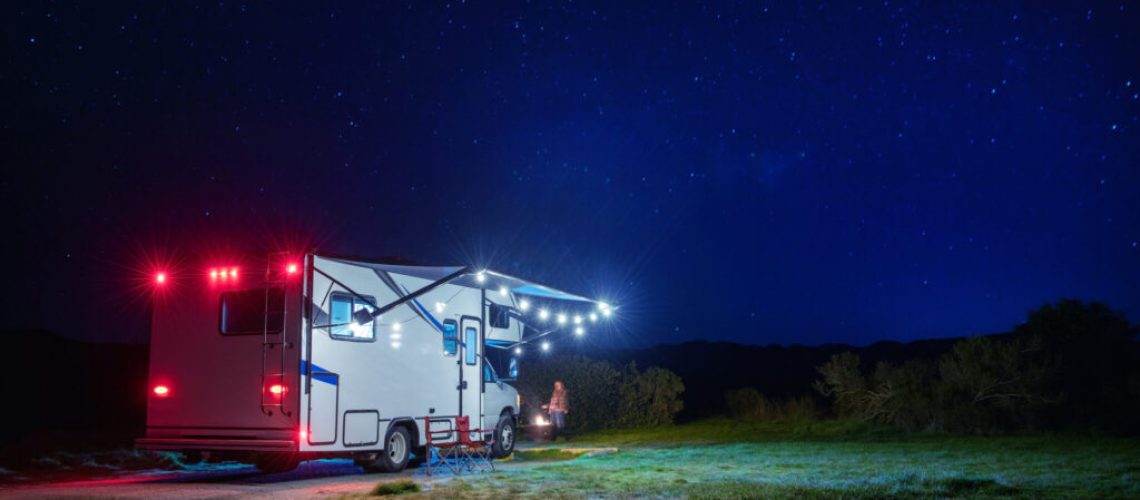
Several camping options are available when you have a recreational vehicle. You can bring your RV to almost any campsite, or you can find plots of land specifically for motor homes. You can typically use the included hook-ups that provide you with electricity and water when staying at one of these places. However, some people feel that relying on these connections and parking in a designated spot doesn’t really give you the authentic camping experience.
Many campers enjoy the thrill and freedom that comes from boondocking in their RVs. Boondocking can be an exciting and memorable way to camp, but it also requires some preparation to ensure you have everything you need. If you want to learn how having RV lithium battery packs help with boondocking, BigBattery is here to help.
What Is Boondocking?
At its core, boondocking means camping off the grid. Anytime you go camping on public land without connecting to an existing power or water supply, it’s a form of boondocking. While it may not be mandatory, some people consider true boondocking to require some sort of camper or recreational vehicle rather than staying in a tent.
No matter what, the idea behind boondocking is that it’s a form of camping where you don’t rely on anything besides what you bring with you to the great outdoors. Boondocking is a fantastic way to see the beauty of nature outside of a designated campsite. Many people may use generators or their RV battery packs to maintain power during their trip since boondocking forces you to use only what you have with you.
Where Can You Go Boondocking?
One of the best things about boondocking is you can do it anywhere you’re allowed to bring your vehicle. Whether you’re staying in your friend’s backyard or the most remote part of the woods in the middle of Nebraska, you can embody the challenge and spirit of boondocking in your RV!
A common option is finding a designated boondocking campsite. These sites offer a place to park and set up camp for a fee like a traditional campsite, though they do not have the electrical or water hook-ups you would get from other camping options. You may also want to consider looking for areas owned by the Bureau of Land Management (BLM). Boondockers staying on land owned by the Bureau of Land Management may typically stay for up to two weeks without payments or permits.
One of the beauties of boondocking is that it’s a potentially free camping experience that allows people to experience true nature and rely solely on their resources and preparation. You do have access to some spare electricity and water in an RV, but that may not last very long if you’re not careful.
Power Options
There are traditionally three main power options to consider when boondocking. The first one is a generator, which can run as long as you have the necessary fuel for it, whether it’s gasoline or diesel. Generators are reliable options that you can turn on or off as needed, and you can bring along plenty of fuel cans to keep your generator running, however it comes with two notable downsides: fuel costs can add-up over time, generators are loud, and they’re harmful for the environment. Boondocking is appealing because you can enjoy the tranquility of nature and lose yourself in the camping experience. It may not be easy to do that over the loud rumble of an active generator and a plume of fumes in your face.
Battery Power
Using a battery is a better option for maintaining power throughout your boondocking adventure. Most RVs come with a few battery packs, but they may not last too long on their own, or be of lower quality. You may wind up stranded and need to call in help if you have no way to recharge your batteries.
Thankfully, there are several ways to work around this limitation. For starters, you can install additional battery packs in your RV that grant more power. Usually, you can use a 12-volt lithium RV battery. The number of batteries you can install will depend on the size and model of your vehicle. Additional batteries mean more power stored, which means more power available, and a potential extension of your boondocking trip.
More power won’t be beneficial though if you use it all up too quickly. You should always carefully ration your batteries’ capacity and plan out how much you can use per day to extend your trip. One helpful tip is to use the sun to recharge your batteries.
Solar Power
Solar panels are great options for recreational vehicles. They are lightweight, easy to install, and fit perfectly on the roof of your RV. Solar panels and battery banks allow you to use sunlight to charge your batteries, even on cloudy or rainy days, and extend the length of your stay. As long as you maintain good usage practices and don’t use too much electricity or water at any one point, you can greatly extend the length of your stay and worry less about draining your batteries.
Lead-Acid or Lithium?
If you’re wondering about how RV battery packs help you when boondocking, you may want to look at the differences between lead-acid and lithium batteries. For most modern systems, lithium batteries are the way to go. These battery packs have much longer lifespans than lead-acid batteries. Additionally, they weigh less and are easy to install. Lithium battery packs require far less maintenance than their lead-acid counterparts, which require regular cleaning and often require balancing the water inside of them.
LiFeP04 (lithium iron phosphate) batteries are safer, better for high energy usage, and smarter options for any boondocking trip. Lead-acid batteries are useful, but we recommend considering lithium batteries when you want long-lasting, efficient options to keep you connected and powered on a camping trip.
BigBattery has you covered if you want to learn more about the practical applications of lithium batteries, solar panel systems, and recreational vehicles. We offer great products to help you get the most out of your off-grid needs. We also have blogs to help you with golf carts, solar panels, and more! To learn more about the battery packs and services we have to offer, contact us anytime with your questions, comments, or concerns. A member of our team will be happy to assist you!
