



The Differences Between Inverters & Generators
If you want a source of backup power in your home, you’re probably deciding between generators and inverters. These two devices have a lot in common, and both work to supply your home with usable electricity. However, understanding the differences between inverters and generators can help you decide which one is right for you.
What Is a Generator?
A generator creates electrical power from an outside source of fuel. Many generators run on gasoline or diesel fuel and convert mechanical energy into electricity. Internal combustion rotates an armature that creates electricity through copper wiring. Most generators can connect directly to your home’s electrical paneling, supplying you with backup power so long as you have the outside fuel to keep the generator running.
What Is an Inverter?
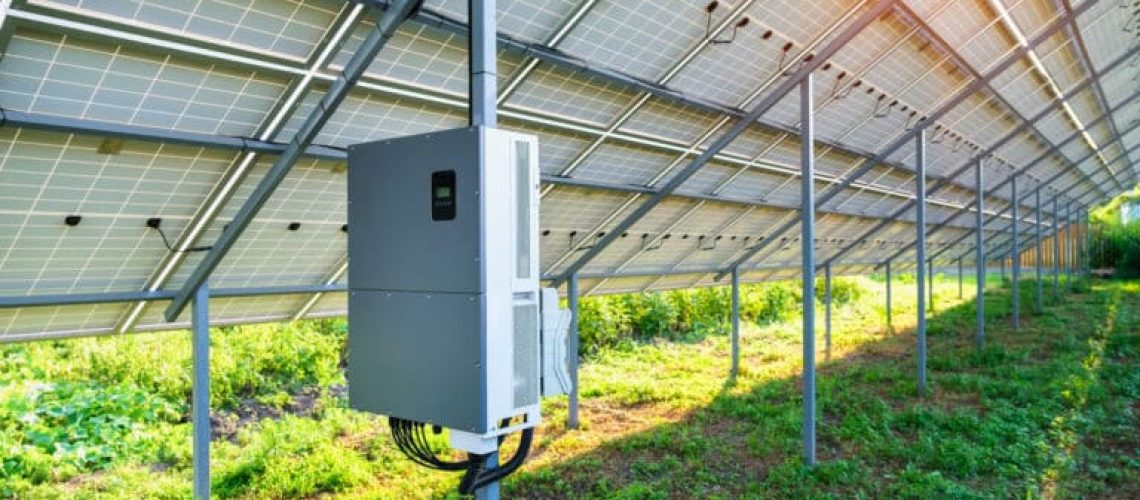
Inverters, on the other hand, don’t create electricity but help change it from one type of current to another. For example, most home electronics and appliances utilize alternating current (AC) electricity. Conversely, many battery packs, like those found in RVs or solar panel systems, operate on direct current (DC) electricity. An inverter safely transforms the DC power from a solar battery bank, for example, into AC power that you can use in your home.
Which Is Better?
When looking at the differences between inverters and generators, it helps to remember the main distinction is in their names. Both devices ensure we have AC electricity in our homes, but generators generate electricity with external fuel, while inverters convert electricity from one current to another, drawing on power from solar panels and/or batteries.
If you have any form of solar panel system in your home, you should invest in an inverter to safely use that stored solar energy from your batteries. In addition, having a generator as a backup isn’t a bad idea, especially if you live in a region where you can anticipate lengthy power outages due to natural disasters or grid instability, and are restricted in your use of batteries due to extreme temperatures. Just be sure to factor in the cost of fuel when deciding the best route for backup power in your home or vehicle.
Also, generators and inverters are both valuable for when you’re off the grid and staying in an RV. To learn more about RV lithium battery packs, BigBattery is here to help. We have a wide range of products and information on how you can get the highest amount of energy possible when boondocking in your recreational vehicle. For more details or to speak with a trained representative, don’t hesitate to contact us anytime. We’re happy to assist you!