


Everything You Need to Know About Solar Panels and Snow
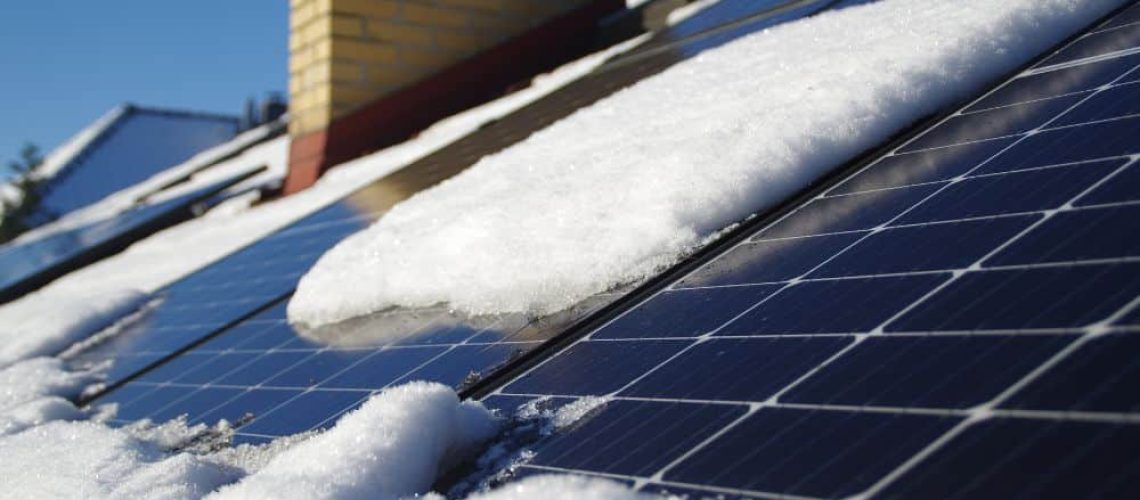
When you install solar panels on your home, there are always many things to consider. People may wonder if their solar panels will still collect energy in the snow or how positioning and performance may impact things. If you’re new to sustainable energy, there are many things you need to know about solar panels and snow that will keep things running smoothly for you.
Does Snow Prevent Energy Gathering?
One of the very first and most essential questions people ask about solar energy is how much the winter can impact their solar energy system. These are reasonable concerns, and BigBattery is here to help shed some light on this issue.
For starters, some may wonder if the colder temperatures throughout winter reduce the amount of solar energy your panels absorb. Truthfully, it’s the opposite. Since your solar panels absorb light from the sun to make energy rather than heat, they can receive just as much power in the winter as in other seasons. In fact, winter is typically more beneficial for solar energy panels since notably high temperatures in the summer may reduce their effectiveness.
As for whether or not snowfalls can impact your solar panel’s energy-gathering capabilities, the answer is yes. Large, heavy amounts of snow building up on your panels and blocking the sunlight can certainly reduce the amount of solar energy your panels get from the light of the sun. However, this reduction only occurs in extreme situations and should not negatively impact your daily energy use. Due to the physical construction of snow, most snowstorms halt your energy collection less than a heavy rainstorm.
So long as your home has a reliable battery pack and a heavy buildup of snow does not remain on top of all of your panels for several days, you shouldn’t notice any significant issues with your power supply and storage. At most, you may experience a minor drop in the amount of energy that goes into your battery during particularly rough snowy days.
How Winter Affects Your Battery
Because solar panels don’t absorb light to convert it into energy constantly, your system needs a battery to store the energy you collect for later use. Most modern systems use lithium-ion batteries, and it’s a good idea to create your system so that your battery is protected but easily accessible. Fortunately, lithium batteries have a wide temperature range that protects them from suffering damage in the winter. Still, it may be a good idea to insulate your battery casing, depending on how cold it gets where you live.
While many lithium batteries can withstand temperatures down to -4 degrees Fahrenheit without much of an issue, taking precautions may still be a good idea. We recommend storing your batteries in a place that’s at least 20 degrees Fahrenheit or above and charging them at above 32 degrees.
Depending on where you store your batteries, it may be a good idea to provide proper insulation and occasionally remove snow from around their housing. That will ensure things stay warmer and function properly throughout the colder season.
Solar Panel Positioning
An important thing you need to know about solar panels and snow is how vital proper positioning is to keeping your panels clear of snow buildup during the winter. Many solar panel systems have them up on the roof, which provides ample space and generally provides an unobstructed view of the sun.
One of the most noteworthy advantages of having your solar panels on the roof like this is that many roofs are at an angle. Earlier, we discussed how the main way your panels may lose some functionality is after a larger pile of snow builds up on top of it, blocking the sun’s rays.
Part of proper solar panel positioning is to either use the natural slope of your roof or position your panels in a way that snow will slide off of them rather than accumulate. You may not be able to create a system where your panels get optimum sunlight and completely prevent snow from stacking on top of them, but in most situations, any snow should slide off automatically in a day or two if the angle is right. Many solar panel manufacturers work to create panels with some natural resistance against the snow.
If your roof doesn’t have a natural angle, it may be in your best interest to create a slope with the panels themselves. We suggest ensuring that any snow that slides off them falls off the roof so that it doesn’t develop larger piles that may block your panels anyway.
Benefits of Snow on Your Solar Panels
While it’s easy to view snow as a bad thing for your utilities, there are some notable advantages of this time of year that can prove beneficial to your solar panels. Throughout the rest of the year, your panels may experience a buildup of dust, dirt, fallen leaves, and other natural irritants.
However, when winter arrives, that snow or rain falling onto your panels and sliding off helps provide a natural cleaning surface, watering your panels down and helping to clear them for you. It’s still a good idea to get out there and clean your panels yourself throughout the year, but the snowy season does its part to alleviate you of that responsibility, assuming there is no extended buildup of snow.
Should I Remove Snow From My Panels?
We’ve discussed how snow may accumulate on top of your solar panels and how it should slide off. However, some people may be tempted to climb up on their roofs and take the time to wipe away the snow themselves.
Depending on the physical location of your panels, this may be a viable option. However, if you keep your panels up on your roof, we typically do not recommend this option. The risk of slippery roofs, ladder mishaps, and other accidents is greater than any negative effects you may experience from snowfall on your panels. Outside of emergency situations, it may be in your best interest to let the snow slip away naturally rather than taking matters into your own hands.
If you want to learn more about creating a solar panel system for your home, BigBattery has a large range of helpful blogs and articles to get you started and products to keep your system in working order. Our shop has an excellent selection of 48-volt lithium solar batteries, and don’t hesitate to contact a member of our team if you have any questions, comments, or concerns.
