

There are many reasons to switch to solar energy, especially as a homeowner—and it’s not always about going off the grid and achieving full independence, either. Equipping your home with solar energy capability can mean reducing your utility bills, gaining tax credits, and generally being prepared for times when the power shuts off. If you’re wondering how to power your home, here’s a beginner’s guide to solar energy. There’s a lot more to it than this, but this brief guide should help you get started.
The Basics of Solar Power
As the name implies, solar power comes from the sun. Solar panel arrays can convert the energy emitted by sunlight into electricity through the sun’s heat and thermal energy, as well as the use of photovoltaic cells. When the sunlight strikes the cells, the cells become energized. This creates a reaction where the electrons come loose inside the cells, creating electricity. The electrons are then captured and put in motion to make an electrical current. This electricity can then be stored in battery packs for later use. That’s a very simplified explanation, but it should give you the gist.
Is Solar Power Worth the Investment?
Continuing our beginner’s guide to solar energy, and how to power your home, you may be concerned about the reliability of solar power. Don’t you lose power when the sun goes down or becomes covered by clouds? Not at all. While solar power panels get more energy during bright and sunny days, they also continue to work during cloudy and rainy days. The electricity comes from the light of the sun, and that’s rarely (if ever) extinguished. Also, remember that it’s not like burning fuel. You’re gathering sunshine during the daylight hours to store it in an off-grid lithium battery bank or similar storage system. That way, you’ll have power at night, as well as on dimmer days.
Fair Weather Friend?
Weight is a vital part of your forklift’s ability to do its job. It doesn’t matter how powerful the forklift and its mechanics are if you don’t weight it properly in the back. A lightweight forklift will face everything physics has to offer if it lacks weight in the back. Your battery’s weight serves as part of the forklift’s counterweight. If it’s too light, you risk toppling forward, damaging goods, and putting the lives of the operator and those nearby in danger. Therefore, you must keep things nice and stable by ensuring your new battery can offer the proper poundage.
Solar Panels
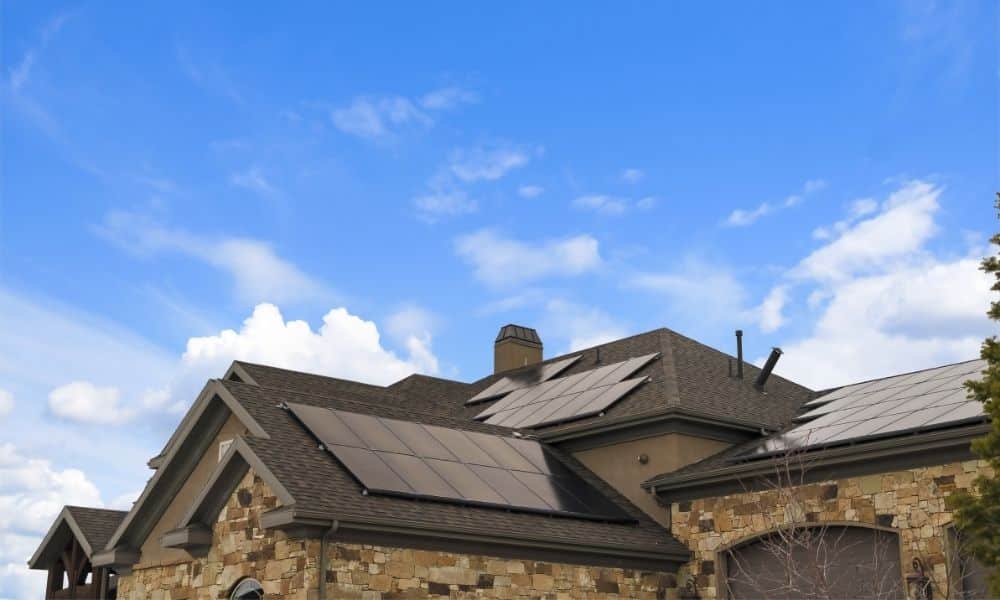
We’ve touched on some of the elements and devices that make up a solar power system. There are solar panels, of course. These are mostly made of silicone and come in three types: monocrystalline solar panels, polycrystalline solar panels, and thin-film or amorphous solar panels. Thin-film panels are the cheapest and least efficient, while the other two are pricier but also more efficient. The choice of panels is made according to your available space, needs, environmental conditions, sun versus shade, cost, and storage needs. The company that installs these will be able to provide a more detailed explanation of why you’ll require which panels.
Inverters
The next big part of your solar power system is the inverter. The solar panels start to process of exciting all those electrons and moving them along, but the inverter takes that electricity (which is direct current, or DC), and turns it into alternating current, or AC. Your home needs AC power to run the lights and various devices within. You’ll have one of two types of inverters: a string inverter or microinverter. String inverters are larger devices set up inside your home to gather electricity in one place. Microinverters are attached to the solar panels themselves and immediately convert the direct current into alternating current at once. Again, you’ll need to talk to the installer about which type of inverter will work best for you.
Grid Versus Off-Grid
If your home remains on the grid, your system can be set up to divert excess electricity to the power grid. When you lack electricity from solar power, you can draw electricity from the grid. If you have an arrangement with your region’s power supply company, a meter keeps track of how much or how little electricity you draw from the main power grid. Through this method, you’ll be able to offset your energy bills and save more.
Energy Storage Systems (ESSs)
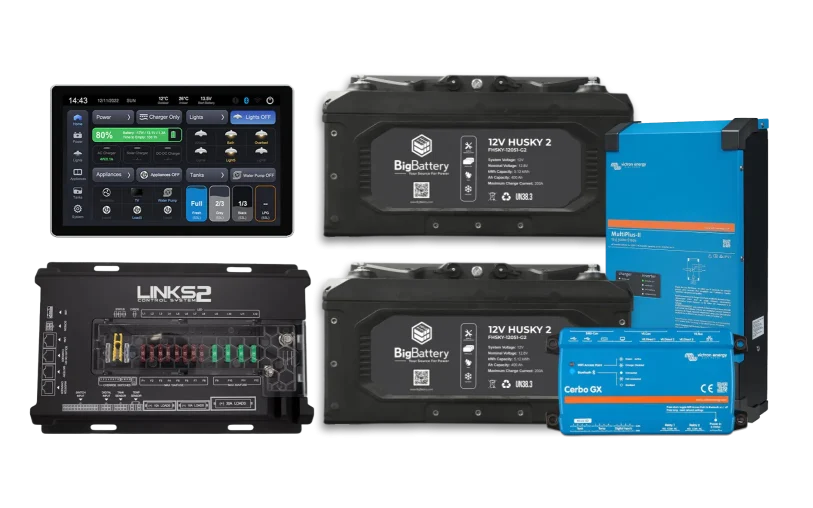
We’ve mentioned batteries. These are a wise investment whether you’re on or off the grid because you can save the energy you draw from the sun for emergencies. A bank of lithium-ion batteries collects and stores electricity for later use, day or night, in all kinds of weather. This is an especially handy feature if you experience regular power outages or require electricity for medical and similar life-saving devices. And, of course, an off-grid lithium battery bank is a requirement for living far away from all utilities, especially in hazardous weather. ESSs aren’t a requirement, but they are handy!

The Good and the Bad
Nothing’s perfect in this life, and while solar power arrays have many good points, it’s important to keep the drawbacks in mind. While very green in their production of solar energy, there are some pollutants involved in the manufacture of solar panels. Solar panels last a long time, with proper maintenance and upkeep, but they usually have a life of about 20 to 25 years. Plan accordingly and decide whether installation is worth it if you plan to move in a few years.
On the other hand, solar power can also make your home more desirable for an interested buyer! After the initial cost, they pay for themselves, providing cheap, clean, and renewable energy. Plus, they’re quiet, easy to care for, and safer and healthier than any fuel-burning means of generating power!
There’s more to setting up your home with solar power than what we’ve covered in this simple guide, but deciding to do it is the first step toward a cleaner, more efficient, and affordable home and lifestyle!
Share on facebook
Facebook
Share on twitter
Twitter
Share on linkedin
LinkedIn
Share on pinterest
Pinterest