



Exposing 4 Common Lithium-Ion Battery Myths
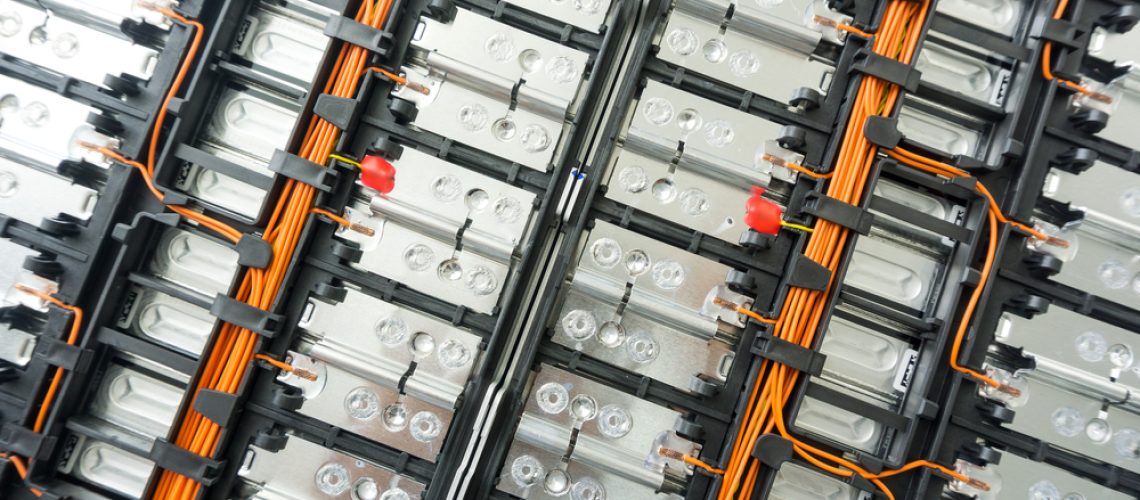
Lithium-ion batteries are changing the game – and multiple industries – when it comes to powering devices and equipment, large and small. Around the world, these battery packs are used in recreational vehicles, golf and utility carts, home power storage, industrial equipment, marine applications, and much more. However, as these batteries become more affordable and accessible to the public, uncertainty and misinformation can come with them, as with all new and rapidly developing technology. Today, BigBattery is here to expose four common lithium-ion battery myths and help you stay informed.
Lithium-Ion Batteries Are Dangerous – False
While it is true that lithium-ion batteries are sensitive to extreme heat, stories you hear about them exploding or catching on fire are almost always a result of user error, improper handling, or other external factors, as opposed to inherent malfunctions within the battery. This is why battery manufacturers are always stressing the importance of strictly following safety guidelines. When dealing with electricity and power, risks are always present, but in recent decades, lithium-ion chemistries and battery construction has developed rapidly, to the point where lithium-ion batteries, particularly LiFePO4 packs, are understood as inherently safe by default. Plus, all pre-constructed, consumer-ready lithium modules, versus DIY packs, come with a battery management system, or BMS, to protect them from any issues or from operating outside of safe parameters, making your chances for risk negligible. Lithium-ion batteries have been proven time and time again to be a safer and more reliable means of power storage than their older lead-acid counterparts.
You Should Fully Drain Your Battery Before Charging – False
One common myth about lithium-ion batteries is that you must allow them to fully discharge before you charge them again in order to get the most out of them. This is false, and in fact the opposite is the case with nearly all battery chemistries, not just lithium-ion. Waiting until your battery dies before charging it can actually result in damage in the long run, reducing the overall performance and lifespan of your battery. With lead-acid, it is recommended to discharge to around 50% capacity before recharging. Any lower than 50% depth of discharge, or DoD, and you risk damage. Comparatively, lithium batteries can be reliably discharged to around 80% capacity before risking damage. There’s a reason your phones, computers, and similar devices notify you when you’ve reached 20% battery level; they’re powered by lithium! It’s best practice to charge your lithium battery when it reaches around 25% – 30% capacity, but we advise not fully draining your battery in order to keep your battery operating like new throughout the entirety of its life.
Lithium-Ion Batteries Are More Expensive – Partially True
You will often hear that lithium-ion batteries are far more expensive than lead-acid batteries or other more outdated battery options. There is some truth to this, but it all depends on the lens you look through to derive the value of a purchase. The initial up-front costs of a lithium-ion battery will certainly outweigh an equivalent lead-acid battery if you were to start shopping today. However, it’s in the overall lifetime value and savings where lithium-ion wins out. With the significantly higher cycle count, and cycle life, of lithium, you can get 10+ years of reliable and efficient power, compared to lead-acid which, with perfect maintenance and proper usage, could provide 4 – 5 years of power, with most lead acid battery banks giving out after 3 – 4 years. Within a single lifespan of a lithium-ion battery, you could replace your comparable lead-acid batteries 3 – 5 times! By saving money in the long run through spending far less on maintenance and replacements, the overall lifetime cost of lithium is guaranteed to be less.
Lithium-Ion Batteries Don’t Work in the Cold – Mostly False
Nearly all batteries, regardless of chemistry, struggle to perform at peak efficiency in extreme temperatures. Yet still, if anyone tells you lithium-ion batteries perform worse in the cold than their counterparts, that is false. The distilled water in lead-acid batteries makes them perform worse in colder temperatures. Though lithium-ion batteries do not have water in them, they still need to be in temperatures of around -20º Fahrenheit or higher when charging or discharging to prevent any permanent damage or losses in performance.
If you have any questions, comments, or concerns about large lithium battery packs and want to get the correct information for yourself, the knowledgeable specialists at BigBattery are happy to assist you. Feel free to contact us by phone during normal business hours at 818-280-3091 or email us anytime at Sales@BigBattery.com.