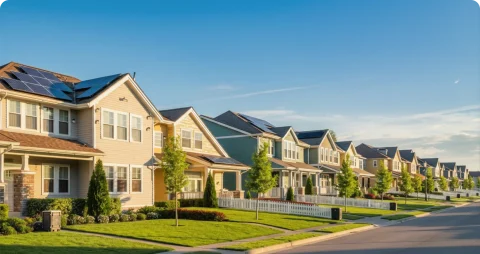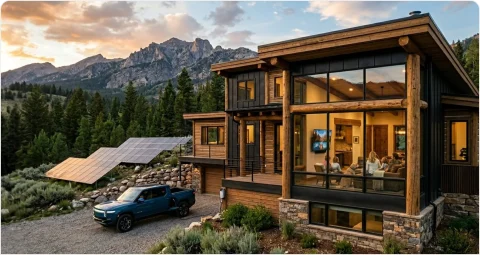




We’re all aware of the increasing demand for more sustainable energy sources, and solar energy is quickly becoming a popular solution for homeowners and individuals focused on eco-friendly living. We do a deep dive into everything you need to know about the future of solar energy in this post. So, let’s get started!
What Is Solar Energy?
Solar energy is the abundant, renewable energy the sun produces that we can use to generate electricity. This conversion occurs directly using photovoltaic cells or indirectly through concentrated solar power. Photovoltaic cells, typically installed as rooftop solar panels, convert sunlight directly into electricity. On the other hand, concentrated solar power systems use mirrors to focus sunlight onto a collector, which produces steam and drives a turbine to generate electricity. This clean, sustainable energy source reduces our reliance on fossil fuels, thereby mitigating the global impact of energy consumption on climate change.
The Growing Popularity of Solar Energy
Solar energy has seen an unprecedented surge in popularity over the past few years. We can attribute this growth to several factors, beginning with the rising awareness about climate change and the urgent need to transition to cleaner, renewable energy sources. Secondly, advancements in technology have made solar panels more efficient and affordable, bringing them within the reach of a larger demographic. Government incentives and tax credits have also played a significant role in promoting solar energy adoption. Additionally, the versatility of solar energy, from powering homes and businesses to charging electric vehicles, adds to its growing appeal. This upward trend of solar energy demonstrates a promising future for this renewable energy source in the global energy mix.
Recent Technological Advancements in Solar Energy
Technological innovation has been at the forefront of the quest for more efficient, affordable, and adaptable solar solutions. The development of perovskite solar cells has been one of the most groundbreaking advancements in solar technology. These cells, made from a special class of materials known as perovskites, have shown the potential to exceed the efficiency of traditional silicon-based solar cells while being cheaper and simpler to manufacture.
The emergence of solar skin designs is another significant innovation. Solar skin technology enables solar panels to mimic the appearance of a rooftop or other surface, making them aesthetically pleasing without compromising their efficiency. This mimicry is particularly appealing to homeowners with concerns about the impact of solar panels on their home’s appearance.
The rise of solar tracking systems is another key advancement. These systems shift the solar panels to follow the sun’s movement throughout the day, maximizing the amount of sunlight the panels receive, thereby increasing their energy output.
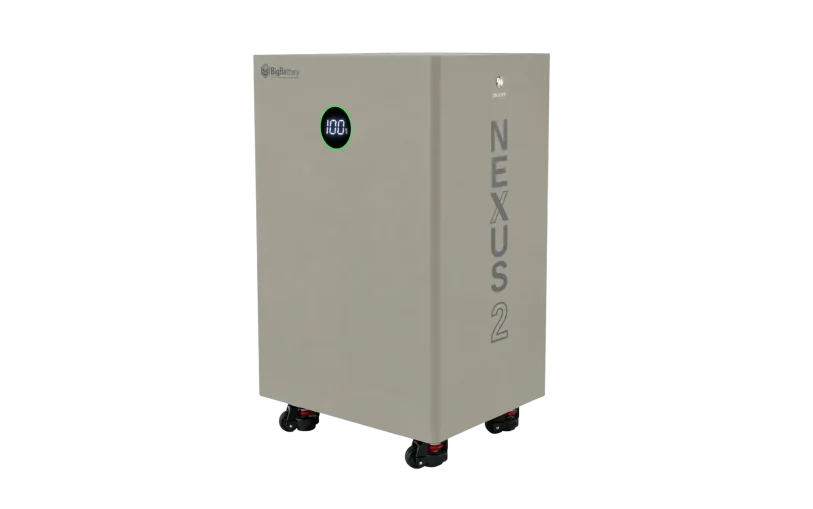
Then, there’s the advent of solar storage batteries, which have undergone significant improvements. Modern solar batteries can store excess solar power for use during off-peak hours or power outages, enhancing the reliability and efficiency of solar energy systems.
These advancements, among others, are propelling solar technology forward, promising a future where solar energy is sustainable, exceptionally efficient, and user-friendly.
The Benefits of Switching to Solar Energy
It helps to look at the personal benefits that come with solar panel installations when you consider everything you need to know about the future of solar energy. Switching to solar energy presents a variety of benefits for homeowners, businesses, and the environment. First and foremost, solar energy is a renewable power source, reducing our reliance on fossil fuels and contributing to the mitigation of global warming. It allows for the generation of power in a clean, environmentally friendly manner, thereby decreasing one’s carbon footprint.
Solar energy can also significantly reduce one’s electricity bills. Homeowners can sell any excess power their homes generate back to the grid, potentially turning a profit. Additionally, numerous government incentives and tax credits are available that significantly lower the cost of solar panel installations, making it a viable option for many households.
Beyond the financial benefits, solar power also offers energy independence. Fluctuating energy prices and supply disruptions have a lesser effect on you because your home can generate the electricity it needs. The advent of advanced solar batteries facilitates the storage of surplus energy, ensuring power availability even during nighttime or cloudy periods.
Lastly, technological advancements in solar power have addressed aesthetic concerns, with the introduction of solar skin technology that allows solar panels to blend with the rooftop or other surfaces. This blending capability ensures that the switch to solar energy does not compromise your property’s aesthetic appeal. Therefore, the switch to solar energy is an eco-friendly decision and a cost-effective, reliable, and aesthetically pleasing energy solution.
More homeowners are opting for off-grid solar systems, which allow them to enjoy independence from utility companies and gain more control over their energy consumption.
Getting Started With Solar Power in Your Home
Embarking on your solar power journey begins with understanding your home’s energy needs and assessing whether your home is suitable for solar panels. Begin by scrutinizing your energy bills to comprehend your current energy usage and anticipate how much energy you’ll need your solar system to produce. Next, assess your home’s solar potential. This assessment should include examining the orientation, size, and pitch of your roof, and checking if it gets ample sunlight.
Keep in mind that even if your roof is not optimal, ground-mounted solar panels are also an option. Following your initial assessment, it’s time to research local solar installers. Look for certified and experienced professionals with positive reviews. Always get quotes from multiple vendors to ensure you are getting a good deal.
Remember, cheaper isn’t always better—quality and warranty periods are critical factors to consider. Once you’ve chosen your installer, they will assist you with the necessary paperwork, including permits and applications for government incentives.
You and your installer will need to coordinate the system’s inspection and connection to the grid after the installation. Once you receive approval and your system is live, you can enjoy the benefits of solar power and the satisfaction that comes with reducing your carbon footprint.
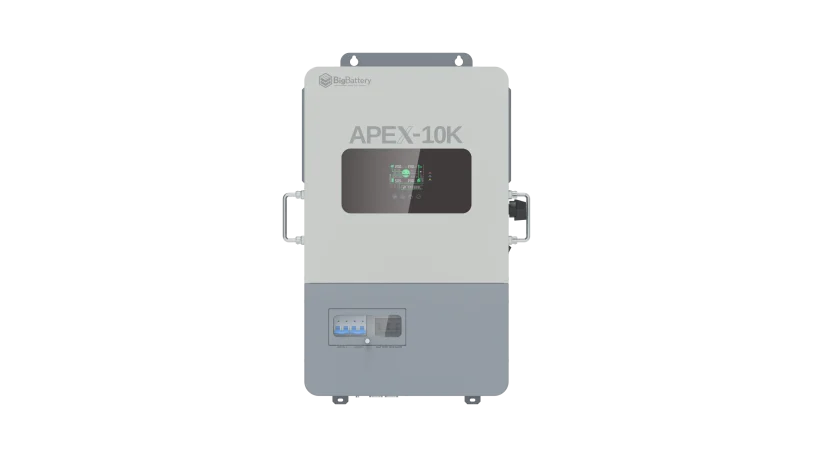
With an ever-escalating demand for sustainable energy solutions, it’s time you harness the sun’s power to its maximum potential. Partner with BigBattery, an industry leader in advanced solar batteries. Our state-of-the-art solar battery systems store excess energy produced during the day for use during nighttime or power outages, making your solar energy system more reliable and efficient than ever. Make the smart move toward a sustainable future. Contact BigBattery today, and we’ll brighten the world together, one solar battery at a time!

Facebook
Twitter
LinkedIn
Pinterest
Frequently Asked Questions
How long do LiFePO4 batteries last?
A quality LiFePO4 battery can commonly deliver 4,000 or more charge cycles, often roughly 10 years or longer under the right conditions. Depth of discharge, temperature, charge settings, storage habits, and the BMS all affect the result.
How many years is 4,000 cycles?
One full cycle per day is about 11 years. Three cycles per week is more than 25 years on paper, though calendar aging becomes the limit first.
What happens at the end of a LiFePO4 battery's life?
It does not suddenly stop. It loses capacity gradually. A battery rated for 4,000 cycles may be specified to keep around 80% of its original capacity at that point.
Does temperature affect LiFePO4 battery life?
Yes. High heat speeds aging, and charging below freezing can damage cells unless the battery has low-temperature protection or self-heating.
How long does a lithium battery last in an RV?
Many years, when charging sources are configured correctly and the battery is protected from freezing charge conditions. Annual cycles are often fewer than in a daily solar system, but conditions vary more.
How should I store a lithium battery?
Store it at a partial state of charge in a clean, dry, moderate-temperature location. Disconnect parasitic loads and check it periodically per the manufacturer's guidance.