


A Beginner’s Guide to Understanding Advanced Battery Technology
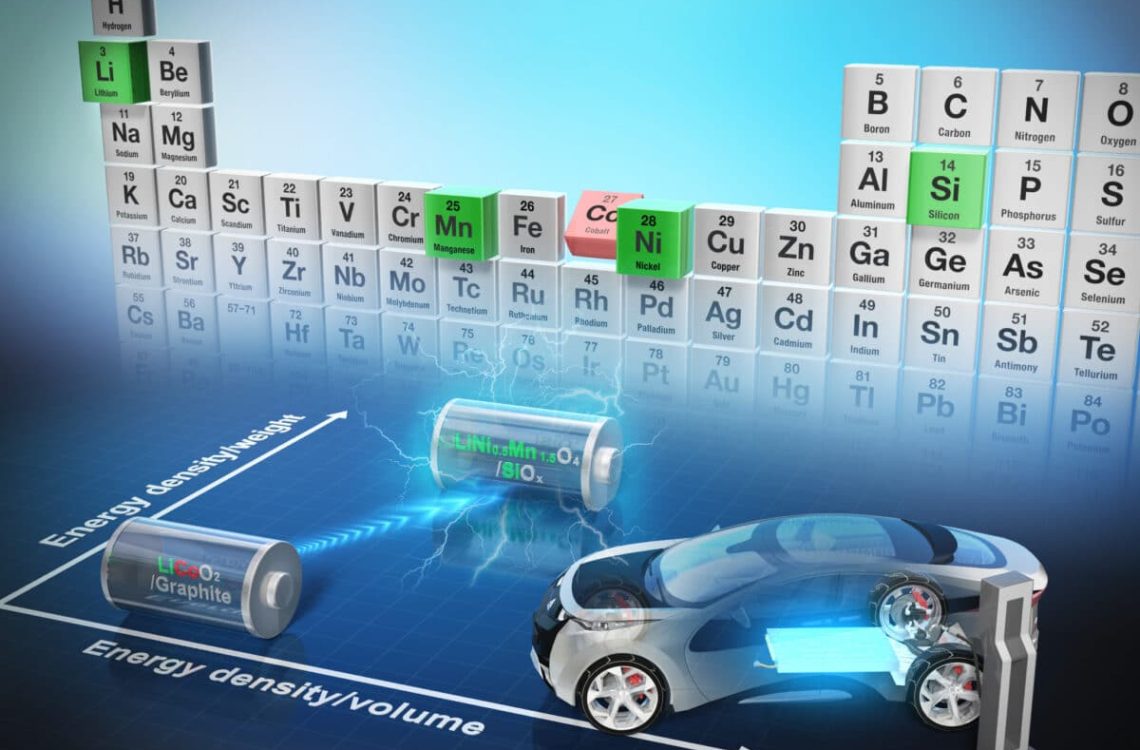
Introduction to Advanced Battery Technology
Advanced battery technology might sound like something out of a sci-fi movie, but it’s very much a part of our daily lives. It powers everything from our smartphones to electric cars to industrial equipment, making our gadgets more efficient and our carbon footprint smaller. In simple terms, modern batteries store energy in a much more efficient way than traditional batteries. They’re made from newer materials and have a higher energy density, which means they can keep your device running longer on a single charge. Plus, they charge faster and last longer over their lifetime. These batteries are key to a greener and more technologically advanced future. So, whether you’re a tech enthusiast or just curious about how your gadgets work, understanding advanced battery technology is a step into the future of energy.
The Evolution of Battery Technology
Battery technology has come a long way since the days of the basic lead-acid batteries. It started with the humble beginnings of simple batteries used in small devices and has evolved into sophisticated systems powering electric vehicles, storing renewable energy, and more. The journey began with the Voltaic Pile back in 1800, a major breakthrough giving birth to the concept of modern electricity. Fast forward to the 20th century, we saw the rise of alkaline batteries, offering better performance and longer life. Then came the era of rechargeable batteries like Nickel-Cadmium (NiCd) and Nickel-Metal Hydride (NiMH), which were a game-changer for portable electronics. But the real revolution kicked off with the introduction of Lithium-ion (Li-ion) and Lithium Polymer (LiPo) batteries. These technologies provided unprecedented energy density and minimal adverse memory effects, making them ideal for today’s high-powered demands. What’s more, with the current focus on sustainability, research is pushing the boundaries towards more eco-friendly options like Sodium-ion and solid-state batteries. These advancements aim not only for higher efficiency but also to reduce environmental impact. Clearly, as our need for reliable power grows, so does the innovation in battery technology, gearing up to offer solutions that are more efficient, durable, and green.
Key Components of Advanced Batteries
Understanding advanced batteries is simpler when you break them down into their basic components. At their heart, most advanced batteries have three crucial parts: the anode (negative side), the cathode (positive side), and the electrolyte. The anode and cathode are the powerhouses, hosting the chemical reactions that pump electricity into your gadgets and appliances. The electrolyte is the middleman, a substance that helps ions move between the cathode and anode, completing the circuit and keeping the power flowing. Advanced batteries might also have a separator, a critical piece that keeps the cathode and anode from touching while letting ions pass through. This setup isn’t too different from standard batteries, but the materials used in advanced versions are where the tech leaps ahead. They might use lithium, nickel, or other cutting-edge materials tailored to pack more power, recharge faster, and last longer. Whether it’s in your phone, your van, or your home, these components work together in harmony to keep you powered up.
Types of Advanced Batteries
When we talk about advanced batteries, we’re diving into a world far beyond your typical AA batteries. First off, we’ve got lithium-ion batteries. These are the powerhouses behind your smartphones, laptops, and electric cars. They’re popular for their high energy density and long lifespan. Next on the list are solid-state batteries. Imagine batteries without liquid inside. They’re safer, last longer, and can charge faster. However, they’re still under heavy development and more time is needed before these are widely available to the public. Then there’s lithium-sulfur batteries. These guys promise even higher energy density, potentially revolutionizing everything from drones to home power systems. However, these also are a several years away from mass market production. Each battery type has its own perks and challenges, shaping the future of how we power up our world, and many developments are being made each year to bring the latest battery tech to power enthusiasts like yourself around the world.
Benefits of Using Advanced Batteries
Advanced batteries pack a punch when it comes to benefits. First, they offer longer life spans. Unlike traditional batteries, most commonly lead-acids, these powerhouses can go the distance, meaning you won’t be running to the store for replacements as often. Second, they recharge faster. In the time it takes to watch an episode of your favorite show, these batteries can be juiced up and ready to go again. They’re also more reliable and consistent, providing the energy needed to keep your gadgets running at their peak without drops in performance as you discharge. And let’s not forget, advanced batteries are kinder to the environment, being able to be recycled and repurposed. With less frequent replacements and more efficient charging, they also leave a smaller carbon footprint. So, whether it’s for keeping your phone charged or powering your golf cart or RV, advanced batteries are definitely the way to go.
Applications of Advanced Battery Technology
Advanced battery technology isn’t just for powering small devices. It’s at the heart of much bigger changes across various industries. For starters, electric vehicles (EVs) are a big deal. These cars run on batteries, not gasoline, reducing harmful emissions and changing how we think about transportation. Plus, more and more golf carts, utility vehicles, camper vans, and RVs are being designed with battery-powered systems as the standard, both for primary and auxiliary power. Then there’s renewable energy storage. Solar panels and wind turbines generate electricity, but what happens when the sun isn’t shining or the wind isn’t blowing? Advanced batteries store that power, so we can use it on demand, day or night, in homes and businesses. Plus, they’re pushing the limits in fields like space exploration and medical devices, powering everything from satellites to life-saving equipment. In short, advanced battery technology is shaping the future, making it cleaner, more efficient, and amazingly innovative.
Getting Started with Advanced Batteries: Tips for Beginners
Navigating the world of advanced batteries doesn’t have to be complex. Let’s break it down into simpler bits. First up, you should know that advanced batteries, like lithium-ion ones, are the heart of modern tech — powering everything from your smartphone to massive off-grid systems. There are a few key things to keep in mind: Understand battery capacity — This gets measured in amp-hours (Ah). A higher number means the battery can deliver more power before needing a recharge. Know the battery’s lifespan — Look at the cycles. A cycle is one full charge and discharge. A high-quality battery should offer thousands of cycles. Consider the charging speed — Some batteries can juice up super-fast, while others take their sweet time. Opt for one that suits your pace. Mind the temperature — Batteries and extreme temperatures are not best friends. Too hot or too cold can affect performance and lifespan. Recycling is key — Once your battery says goodbye, recycle it using a certified recycling partner. It’s critical for our planet. To wrap it up, remember, choosing the right battery involves looking at capacity, lifespan, charging speed, how it handles temperature, and recycling options. Dive in with these basics, and you’ll be off to a great start!
As these fantastic advancements in lithium battery technology occur, now is the time to invest in reliable, efficient energy storage. At BigBattery, we’re bringing these cutting-edge developments to our customers. We have a wide selection of advanced lithium batteries for sale that deliver unparalleled performance, longevity, and safety. Join the energy revolution today, and experience this cutting-edge power storage tech in action! Contact BigBattery today to learn more about our products and services from a member of our team.