





Everything You Need To Know About Off-Grid Solar Power
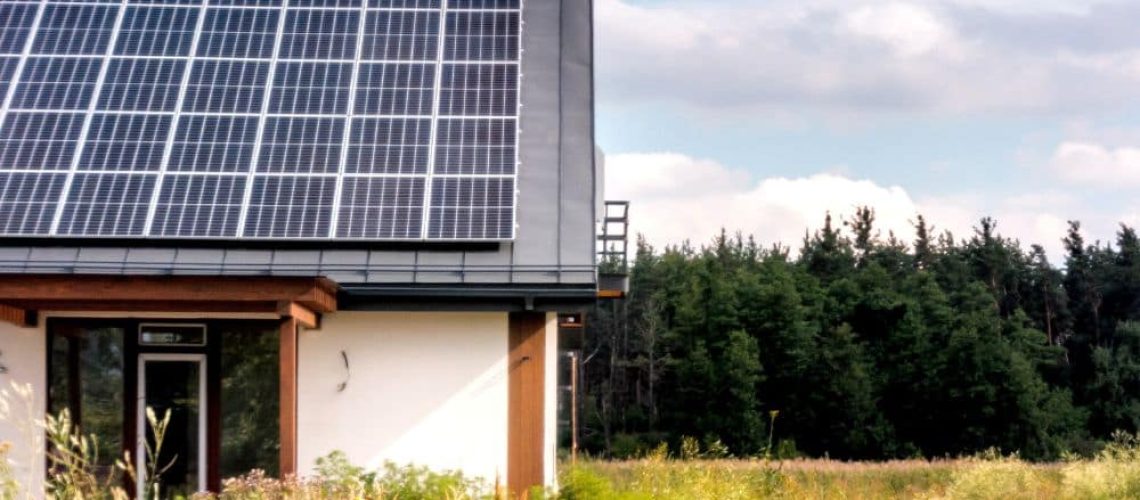
There’s a lot you can say about the benefits of unplugging from the incredibly fast pace of modern society. For anyone who likes a slower pace of living, it can be difficult to feel like it’s possible when you’re surrounded by constant movement and change, and it can feel like there’s no way to disconnect from it without making huge sacrifices. While that may have been the case in the past, we have far more options now.
You don’t need to be beholden to an energy company for everything you do if you switch to an off-grid solar power system for your home. It’s a big transition for sure, but the feeling of freedom you can get from just relying on yourself and the power of the sun is unlike anything else. We’ll go over everything you need to know about off-grid solar power so you can get a better idea of whether it’s the right choice for you and your home.
What Does “Off-Grid” Mean Exactly?
While solar panels are certainly the first thing you might picture when you hear the term “off-grid solar power,” there are several other components you’ll need to go fully off-grid. Being completely off-grid using solar power means that you aren’t connected to a larger external source of electricity (i.e., the grid), but you can still fully power your home without that connection. Fully off-grid systems don’t rely on backup power from electric companies at all, instead relying on batteries to power the house, especially while the solar panels aren’t in direct sunlight.
Where Does Off-Grid Solar Work Best?
As you might imagine, you’ll get the best experience with off-grid solar power in areas that see heavy sunlight for large amounts of time. The closer to the equator you are, the less you have to worry about seasonality causing dips and surges in your power generation. If you live in an area that sees heavy cloud coverage regularly, you may not be able to generate as much consistent power as you would if you were located somewhere that was less overcast.
The Main Components of Off-Grid Solar Power
If off-grid solar power sounds attractive to you, there are a few things you need to know about its major components. Since ideally you’ll be fully self-sufficient, understanding these major components will help you troubleshoot issues that might pop up when you’re setting up your solar power system for the first time.
Solar Panels
Gathering energy from the sun requires an array of solar panels. For most residential setups, you’ll need monocrystalline solar panels set up on the roof of your house to get started. If you have the room, solar panels can live on the ground or on a separate pole instead of your roof. There is no perfect number of solar panels that you need in order to get started because the number will depend heavily on the amount of power you need to run your home.
Charge Controller
Although you might think your energy can go straight from the solar panels into a battery bank, you’ll actually need a charge controller in order to manage the flow of electricity from the panels to your batteries. If you want your batteries to last as long as possible, the charge controller, in addition the batteries’ BMS, prevents them from overcharging, which can cause a lot of damage. Charge controllers also help to make sure that your batteries are always charging with the maximum amount of power available from your solar panels.
Storage Batteries
To ensure you still have power on days when the sun isn’t shining, and at night, you’ll need a bank of batteries to hold excess power for later use. Off-grid lithium battery banks are your best option for this. Lithium iron phosphate, or LFP, batteries are far safer to use than more traditional lead-acid batteries, and they don’t require you to charge them to full before discharging them. They come in a range of different voltages to match your home’s needs, and they are easy to expand upon should your electricity needs increase over time.
Power Inverter
Without getting too deep into the hard science, the power generated from solar panels isn’t actually immediately usable by your home for things like operating lights or appliances. Solar panels generate DC power, which is also stored in your battery banks; however, your home needs AC power in order to function. Power inverters convert DC power into AC power before being sent around your home for use. Some inverters are better at handling larger power loads than others, so ensuring you have one that can handle your off-grid solar system is absolutely essential.
Benefits of Using Off-Grid Solar Power
Perhaps the biggest benefit of off-grid solar power is the freedom of not relying on a utility company for your home’s power. If something happens to the grid while you’re on it, and it shuts down, you can’t do anything but wait for it to come back on. Off-grid solar power prevents these kinds of incidents entirely.
Relying entirely on solar energy means that you aren’t contributing to the massive emissions problem that we have all over the world. The majority of electricity sent to residential areas nowadays comes from burning fossil fuels. Cutting yourself off from this source of power means you’re a part of fixing our planet’s problems, not a contributing factor to them.
Many off-grid solar users find a lot of comfort and purpose in creating their own power without the need to rely on large corporations that are damaging the planet. If you want to feel that feeling of true self-sufficiency, off-grid solar power could be the perfect option for you.
Price Comparison With On-Grid Power
Cost is absolutely still a factor to consider when making a large change like switching to off-grid solar power. Almost all the major costs associated with solar power are costs you pay upfront: buying solar panels, buying battery banks, installing the equipment, and so on. However, over time, the money you save not having to pay for electricity from a utility company recoups this cost faster than you might think. Within the first few years after the initial investment, most solar users are already saving way more money than they would have by continuing to pay for on-grid electricity.
If you know that going off-grid and relying on solar power is the right choice for you, BigBattery can help you get started on the right foot. Our lithium-iron phosphate batteries are perfect for setting your house up to go off-grid without having to worry about any extra hassle.
