



Lithium-ion batteries are known for two things: being rechargeable and providing a lot of power in a reasonably small package when and where you need it most. If you’re unfamiliar with them, however, you may wonder what they’re made for and how they might be able to help you at home, on the go, or at work. So, if you’re wondering what lithium-ion batteries are used for, here are just a few of the many things they can accomplish.
Emergency Power
This is one of the biggest benefits of keeping a lithium-ion battery on hand. If you have equipment that cannot stop running, pick up a lithium-ion battery. This includes medical and life-support devices, computer systems, security systems, communications needed during natural and man-made disasters, food and other material preservation, heating, and similar environmental control systems, and more. When a storm or malfunction causes your outside power supplier to shut down, you can keep yourself safe, secure, and comfortable until it comes back up.
Keeping Vehicles Powered Up
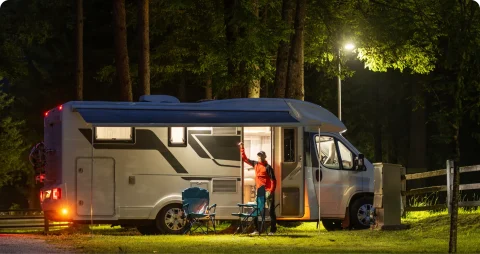
You can use a lithium-ion battery if you find yourself in the middle of nowhere and you don’t want your battery to fail. Certainly, you want the vehicle to start right up the first time and every time, but when it comes to RVs, mobile homes, and other living spaces on wheels, there’s more riding on your battery power than your starter alone. You need power for your lights, water supply, cooking gear, appliances, and more. On a smaller scale, lithium-ion batteries keep golf carts and other personal transportation vehicles moving along. Additionally, many businesses and warehouses use lithium-ion power to keep their forklifts, scissor lifts, and other industrial applications running.
Off-Grid
If you have a cabin or similar living space far off the beaten path and well away from power lines, you need a source of energy you can rely on. Lithium-ion batteries can be connected to a solar power generator and kept charged up for all the comforts of home that can’t be powered by burning wood. If you already have a solar-powered setup, keep the batteries charged and ready for use when needed most. Even those who don’t live rurally can benefit from lithium-ion batteries. Whether you’re outfitting your suburban home with a solar system or looking to save on your electric bill during peak shaving hours, large lithium battery packs will be essential.
Take Care of Business
Here’s our last example of what lithium-ion batteries are used for—If you have a business that needs to react swiftly to emergencies, requirements to be there 24/7, or for your clients in times of crisis, large lithium-ion batteries can ensure your doors stay open even when others are shut, and your clients continue to receive uninterrupted service. Keep your facilities and equipment powered and working through the worst of it.
Conclusion
This article covers some of the most common uses for lithium-ion batteries from solar and off-grid storage to RVs, camper vans, and golf carts to emergency backup power for your home or business, but that is just the start. No matter your application or what you need to power, we offer large lithium-ion batteries for sale to cover all your power supply needs. Ask about our various power kits and discover how they can bring energy independence to your life.
Facebook
Twitter
LinkedIn
Pinterest
Frequently Asked Questions
How long do LiFePO4 batteries last?
A quality LiFePO4 battery can commonly deliver 4,000 or more charge cycles, often roughly 10 years or longer under the right conditions. Depth of discharge, temperature, charge settings, storage habits, and the BMS all affect the result.
How many years is 4,000 cycles?
One full cycle per day is about 11 years. Three cycles per week is more than 25 years on paper, though calendar aging becomes the limit first.
What happens at the end of a LiFePO4 battery's life?
It does not suddenly stop. It loses capacity gradually. A battery rated for 4,000 cycles may be specified to keep around 80% of its original capacity at that point.
Does temperature affect LiFePO4 battery life?
Yes. High heat speeds aging, and charging below freezing can damage cells unless the battery has low-temperature protection or self-heating.
How long does a lithium battery last in an RV?
Many years, when charging sources are configured correctly and the battery is protected from freezing charge conditions. Annual cycles are often fewer than in a daily solar system, but conditions vary more.
How should I store a lithium battery?
Store it at a partial state of charge in a clean, dry, moderate-temperature location. Disconnect parasitic loads and check it periodically per the manufacturer's guidance.