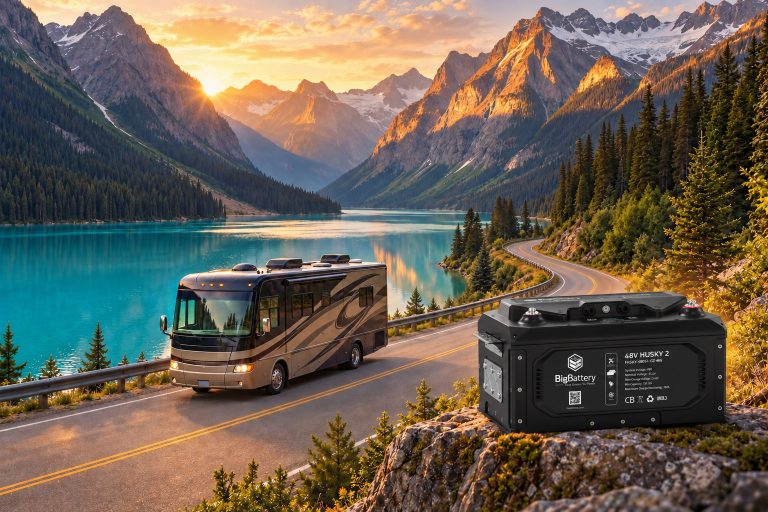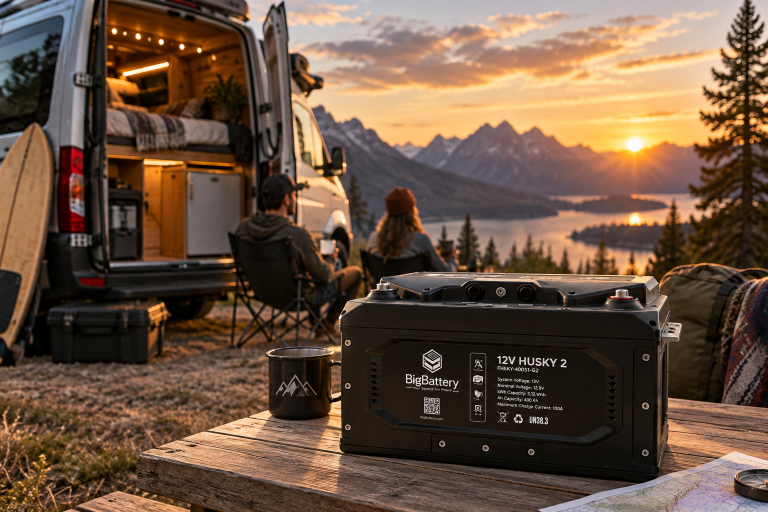








If you’re driving an older RV, you may still have lead-acid batteries keeping things running. Many modern vehicles use lithium-ion batteries, and, fortunately, most recreational vehicles are designed to allow people to make the upgrade to lithium and take advantage of these more powerful batteries. Here is what to expect when converting an RV to lithium batteries and how you can make it a smooth transition.
Size and Weight
One advantage of swapping out older batteries for new lithium-ion models is that many lithium battery manufacturers design their units to have the same, or very similar, shapes and dimensions as many of the older models. Keeping dimensions similar means less hassle when going through the process of installing new batteries, and a greater guarantee that your new lithium batteries will fit seamlessly into the space reserved for your battery bank.
However, lithium-ion batteries weigh significantly less than lead-acid batteries, and typically have a greater energy density. This means that you’ll be able to fit more power in the same amount of space, while massively reducing the weight of your battery system.
Maintenance and Charging
Another thing to expect when converting an RV to lithium batteries is less general maintenance. Lithium-ion batteries are self-contained and don’t require the typical work that goes into lead-acid models. With lithium-ion batteries, you no longer need to regularly check water levels to ensure they are balanced if you have flooded lead-acid batteries, and if you have sealed lead-acids, you don’t need to worry about cleaning terminals, the environment of your battery bank, or other common hazards.
Lithium-ion batteries also have a significantly longer lifespan than lead-acid batteries, leading to greater lifetime savings, and less replacements. They also afford a greater depth of discharge, ensuring reliability and efficiency for a longer period of time when using the batteries while on the road or boondocking.
Battery Conversion
One of the main questions people have when trying to upgrade their RV to lithium-ion batteries is whether they need to make any big adjustments to the rest of their existing system. Fortunately, nearly all lithium batteries contain a battery management system (BMS) that allows the batteries to work in most systems without any alterations beyond some setting changes on your inverter or charge controller. However, if you’re unsure, we recommend discussing your vehicle make and model, as well as your current system components, with a certified expert who can tell you if your lithium batteries will need any additional equipment.
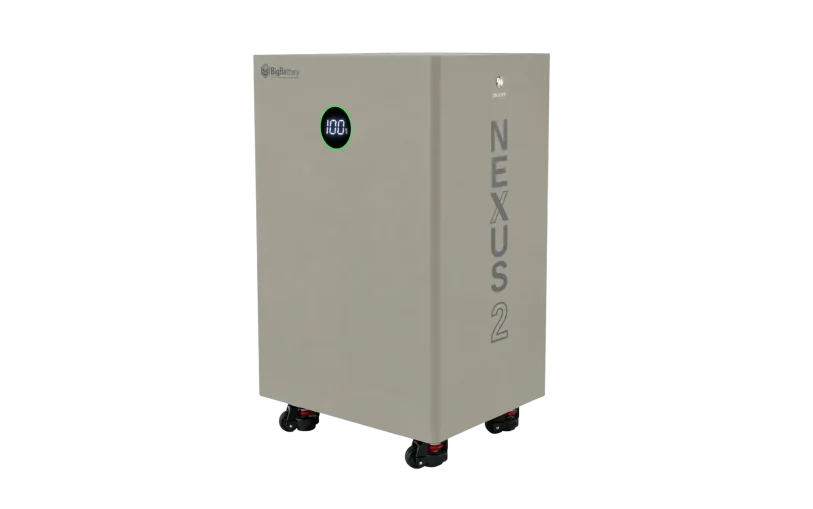
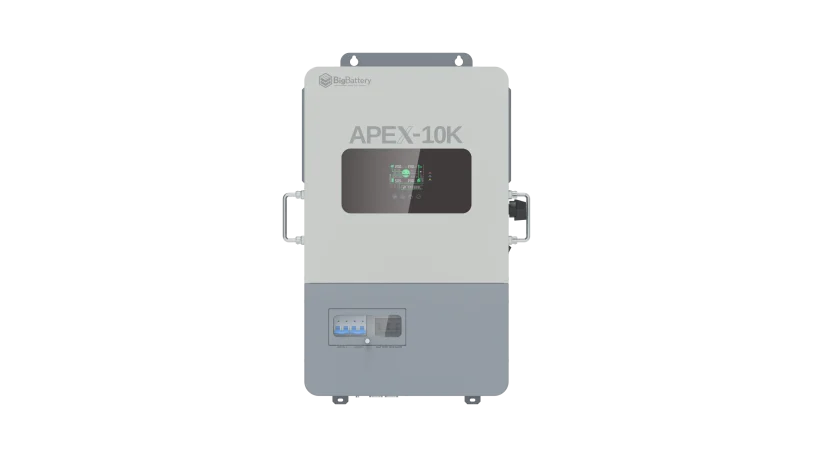
BigBattery has a wide selection of RV lithium battery packs for recreational vehicles, as well as batteries and accessories for golf carts, home solar systems, and more. Browse our catalog to find the right battery to meet your needs, or contact us anytime with your questions, comments, or concerns.
Share on facebook
Facebook
Share on twitter
Twitter
Share on linkedin
LinkedIn
Share on pinterest
Pinterest
Frequently Asked Questions
How long do LiFePO4 batteries last?
A quality LiFePO4 battery can commonly deliver 4,000 or more charge cycles, often roughly 10 years or longer under the right conditions. Depth of discharge, temperature, charge settings, storage habits, and the BMS all affect the result.
How many years is 4,000 cycles?
One full cycle per day is about 11 years. Three cycles per week is more than 25 years on paper, though calendar aging becomes the limit first.
What happens at the end of a LiFePO4 battery's life?
It does not suddenly stop. It loses capacity gradually. A battery rated for 4,000 cycles may be specified to keep around 80% of its original capacity at that point.
Does temperature affect LiFePO4 battery life?
Yes. High heat speeds aging, and charging below freezing can damage cells unless the battery has low-temperature protection or self-heating.
How long does a lithium battery last in an RV?
Many years, when charging sources are configured correctly and the battery is protected from freezing charge conditions. Annual cycles are often fewer than in a daily solar system, but conditions vary more.
How should I store a lithium battery?
Store it at a partial state of charge in a clean, dry, moderate-temperature location. Disconnect parasitic loads and check it periodically per the manufacturer's guidance.