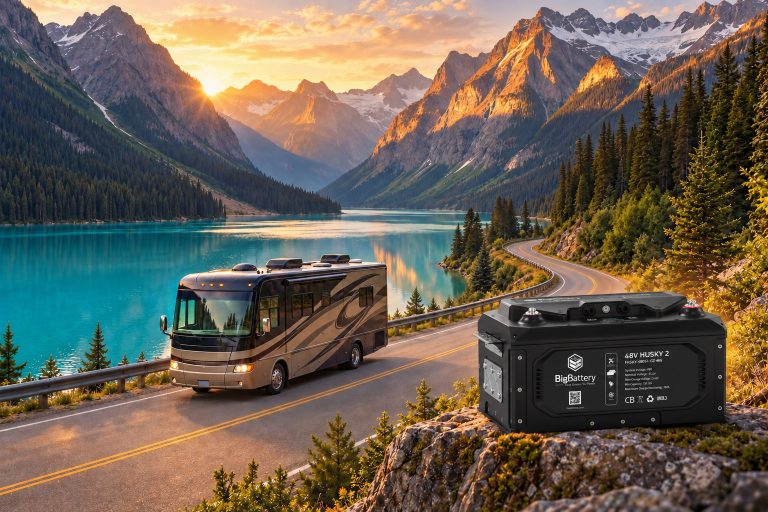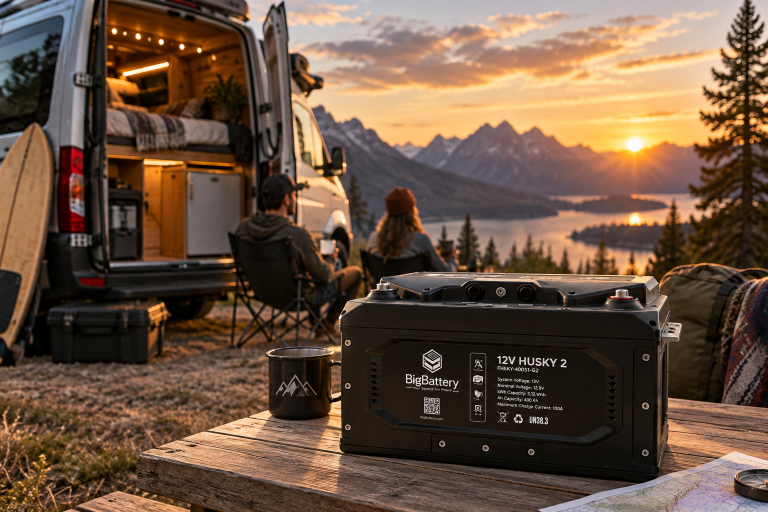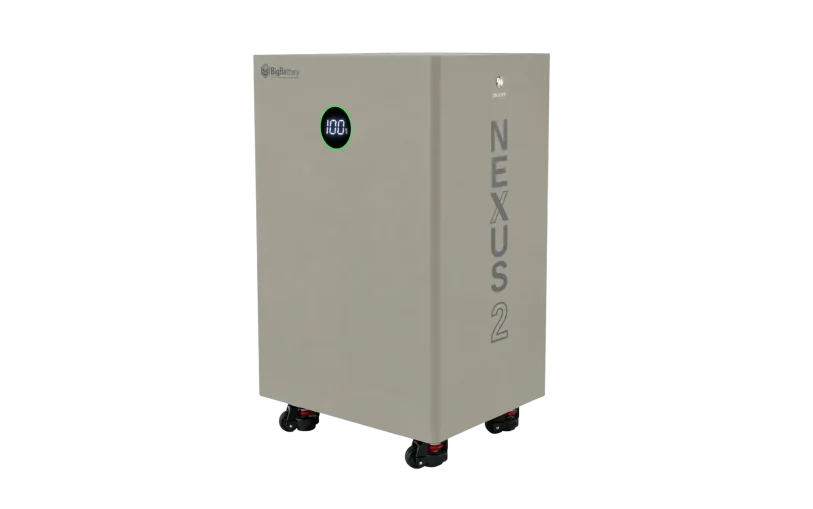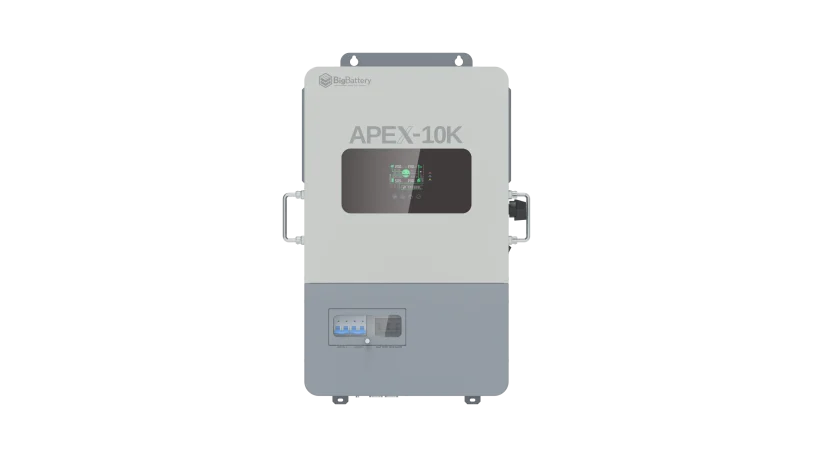




If you’re having trouble choosing between AGM and lithium batteries for your RV, the decision is easier than you think. While both kinds of batteries come with their respective benefits, lithium batteries measure up in the long run. Consider the following pros and cons of both battery types before making your decision!
AGM Batteries: What’s Good? What’s Bad?
For starters, AGM batteries are a kind of lead-acid battery, though they’re slightly more advanced than the standard lead-acid batteries you find in most vehicles. “AGM” stands for absorbent glass mat, which refers to a sheet or separator made of fiberglass. The fiberglass sheet absorbs the electrolyte solution within the battery and rests between the battery plates inside. This way the electrolyte solution is stored in the fiberglass rather than allowed to fill the battery in liquid form. This provides the AGM battery its biggest benefit. It’s sealed and won’t spill the acid even if the exterior is breached or the battery is tipped. This is safe and keeps the battery working at its usual capacity even in case of an accident. Unlike standard batteries, AGM batteries are vibration-resistant and generally maintenance-free.
The Pros and Cons of Lithium Batteries
Lithium-ion batteries exceed AGM in some significant ways and you can use lithium batteries for your RV, as well as other applications. They provide a great wealth of benefits. They don’t require a fiberglass insert to prevent spills because they don’t run on the same lead-acid reaction as standard batteries. While AGM batteries can also be charged through solar-powered systems and provide plenty of power, lithium-ion batteries take less time to do so and remain charged longer. They store far more energy as well. This increased power density means you can save space and weight with a lithium-ion battery compared to an AGM battery. Lithium-ion batteries are also maintenance-free—no need to top them off with distilled water or remove corrosion from the leads. They’re much lighter, which puts less stress on the vehicle on long hauls.
Time To Choose (But Is It Really a Choice?)
When it comes down to choosing between AGM and lithium batteries for your RV, there isn’t much of a choice. When you pick an RV lithium battery pack for your RV, you’re getting more power for your buck while saving on gas and maintenance costs down the line. Lithium batteries have longer lifespans and don’t experience damage and develop an inability to recharge when they go below their full charge. When you choose a lithium-ion battery on your RV, you’ll never lack power again.
Share on facebook
Facebook
Share on twitter
Twitter
Share on linkedin
LinkedIn
Share on pinterest
Pinterest
Frequently Asked Questions
How long do LiFePO4 batteries last?
A quality LiFePO4 battery can commonly deliver 4,000 or more charge cycles, often roughly 10 years or longer under the right conditions. Depth of discharge, temperature, charge settings, storage habits, and the BMS all affect the result.
How many years is 4,000 cycles?
One full cycle per day is about 11 years. Three cycles per week is more than 25 years on paper, though calendar aging becomes the limit first.
What happens at the end of a LiFePO4 battery's life?
It does not suddenly stop. It loses capacity gradually. A battery rated for 4,000 cycles may be specified to keep around 80% of its original capacity at that point.
Does temperature affect LiFePO4 battery life?
Yes. High heat speeds aging, and charging below freezing can damage cells unless the battery has low-temperature protection or self-heating.
How long does a lithium battery last in an RV?
Many years, when charging sources are configured correctly and the battery is protected from freezing charge conditions. Annual cycles are often fewer than in a daily solar system, but conditions vary more.
How should I store a lithium battery?
Store it at a partial state of charge in a clean, dry, moderate-temperature location. Disconnect parasitic loads and check it periodically per the manufacturer's guidance.