






Home solar systems can be a great way to reduce your family’s reliance on the energy grid as well as to reduce your household’s carbon footprint. But even if that were not the case, in some instances, the installation of a solar system can be a highly effective way to reduce energy costs, putting money back in your pocket.
But, just like any other home system, like your HVAC, plumbing, or electrical systems, a solar panel system will need routine inspection and maintenance to ensure that it continues to work properly. Here are some high-level tips.
1. Visually inspect your solar panels periodically
The simplest but most impactful thing you can do is routinely inspect your home’s solar panels (and other components) to ensure that they are working properly, undamaged, and not at risk of damage.
Inspect your solar panels for cracks, wear, breaks, separation, or obstruction; snow cover, leaf cover and other obstructions will prevent the system from efficiently gathering solar energy. Also, inspect the connections, wires, and junction box for any signs of damage including but not limited to wear, fraying, or weather or pest induced damage.
2. Keep your panels clean

Besides a visual inspection, keeping your panels clean is one critical way to ensure that they function as intended. Leaves, snow, ice, dust, pollen, and other debris can cover and obstruct your solar panels, preventing the photovoltaic cells from effectively sequestering solar energy.
In most instances, if you can reach the solar panels easily, it is perfectly safe and acceptable for you to clean them yourself. You can use a garden hose, directing the water at an angle to clean off any debris.
If that does not clear the panels, then you can use warm water and a mild detergent to thoroughly clean them with a rag, mop or sponge, being sure to thoroughly rinse and allow them to dry when you are done.
However, it is very important to note that you should only clean them early in the morning or late in the evening, not in the middle of the day when they are hot, as wetting the hot panels can cause them to crack.
Alternatively, you can hire a local service provider to clean your solar panels for you, as there are many businesses around the country that offer these and other solar panel maintenance services.
3. Install pest-repellent features to protect the solar panel system
One issue with home solar systems, especially those that are mounted to the roof but which have space underneath them, is that they attract pests like a magnet. Squirrels and other rodents, as well as raccoons, pigeons, and other vermin will take advantage of the shelter, building their nests in the available space and chewing on wires in the process.
These pests and their nests produce a huge fire risk, which poses a threat to your property as well as your health and well-being. It is critical to ensure that your solar system does not become a haunt for these critters and the headaches that accompany them.
Inspection can help catch issues before damage gets too far along, but the best treatment is prevention. There are clips you can buy to manage and organize cables as well as protectors for them, and there is also special netting you can install to keep the critters out. Take advantage of these solutions after installing the solar panel system so you can prevent the issue before it starts.

4. Inspect the wires
Lastly, you will also want to periodically inspect the wires, and for the sake of simplicity, you may as well do it on the same schedule you keep for maintaining the solar panels.
Look for signs of UV-related weathering, loose connections, fraying, other insulative jacket damage, as well as for signs of pest-related damage, such as gnawing. Replace any wires that appear damaged and rectify any loose connections as soon as you find them.
If Your Home Has a Domestic Solar Battery System…
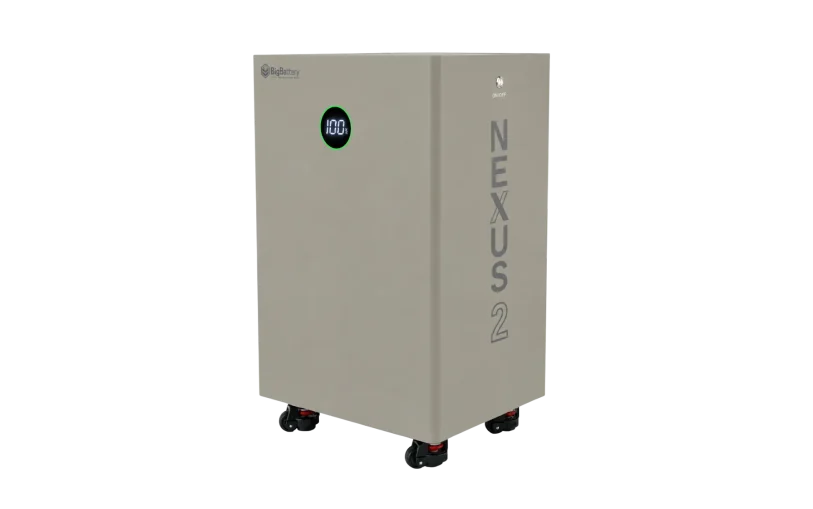
Some home solar systems have domestic solar batteries that serve to store the excess energy produced by the system so that it can be used at a later time, away from peak energy generation periods.
These domestic solar batteries are not just convenient, they also improve the efficiency of your home’s solar system. That said, you will want to inspect and maintain these batteries, too.
- Choose an appropriate size based on expected load; your domestic solar battery system should have a capacity of approximately 5 days of load, though going larger is not necessarily a bad idea.
- Inspect the system periodically; look for loose connections and signs of corrosion around the terminals. Retighten connections and clean off corrosion as necessary.
- Regulate the temperature wherever the battery system is located; domestic solar batteries do not perform optimally at either high or low temperatures, so keep it moderate.
- During darker or overcast periods, maintain the charge level of the batteries if it drops, as low battery charge levels will adversely affect overall charge-carrying potential.
Hopefully you found these high level tips for home solar system maintenance helpful. If you have additional questions or want to know more about the domestic solar batteries we offer here at BigBattery, get in touch with us directly.
Frequently Asked Questions
How long do LiFePO4 batteries last?
A quality LiFePO4 battery can commonly deliver 4,000 or more charge cycles, often roughly 10 years or longer under the right conditions. Depth of discharge, temperature, charge settings, storage habits, and the BMS all affect the result.
How many years is 4,000 cycles?
One full cycle per day is about 11 years. Three cycles per week is more than 25 years on paper, though calendar aging becomes the limit first.
What happens at the end of a LiFePO4 battery's life?
It does not suddenly stop. It loses capacity gradually. A battery rated for 4,000 cycles may be specified to keep around 80% of its original capacity at that point.
Does temperature affect LiFePO4 battery life?
Yes. High heat speeds aging, and charging below freezing can damage cells unless the battery has low-temperature protection or self-heating.
How long does a lithium battery last in an RV?
Many years, when charging sources are configured correctly and the battery is protected from freezing charge conditions. Annual cycles are often fewer than in a daily solar system, but conditions vary more.
How should I store a lithium battery?
Store it at a partial state of charge in a clean, dry, moderate-temperature location. Disconnect parasitic loads and check it periodically per the manufacturer's guidance.