





A home battery has to store energy safely, communicate correctly with the inverter, and meet the requirements of your installer, utility, and inspector. Choosing one means looking beyond a single badge.
UL listings play a meaningful part in a safer, more approvable system. This guide explains the standards homeowners see most often, what each one covers, and what to ask before you buy. Check out our UL-Certified Grid-Tied Systems.
What UL Certification Means for Home Battery Systems
UL is a third-party safety organization that develops test standards. “UL certified” is often used loosely, so ask which part of the system is listed and to which standard.
A full system includes battery modules, a battery management system, an enclosure, an inverter, disconnects, wiring, overcurrent protection, and monitoring. Listings do not replace proper design, the manufacturer’s instructions, qualified installation, or local code compliance.
The UL Standards Homeowners Should Know
Four standards come up most often when you compare systems: UL 9540, UL 1973, UL 1741, and UL 9540A.
UL Standards at a Glance
| Standard | What it covers | What to ask |
|---|---|---|
| UL 9540 | The complete energy storage system as an integrated product | Is this exact battery and inverter combination listed together? |
| UL 1973 | The stationary battery: electrical, mechanical, and environmental performance | Does this listing cover the battery only, not the whole system? |
| UL 1741 | Inverters, converters, controllers, and interconnection equipment | Is this exact inverter model listed, not just the brand? |
| UL 9540A | A fire-test method for thermal runaway propagation, not a product listing | What level of testing was completed, and how does it apply to my layout? |
UL 9540: The Complete Energy Storage System
UL 9540 covers the energy storage system as an integrated product, not loose cells or a standalone pack. For a homeowner, this is often the listing that matters most when evaluating a battery-and-inverter package. Separately listed components do not automatically form a listed complete system, so the exact combination matters. A UL 9540-listed system should name the battery and inverter it was evaluated with.
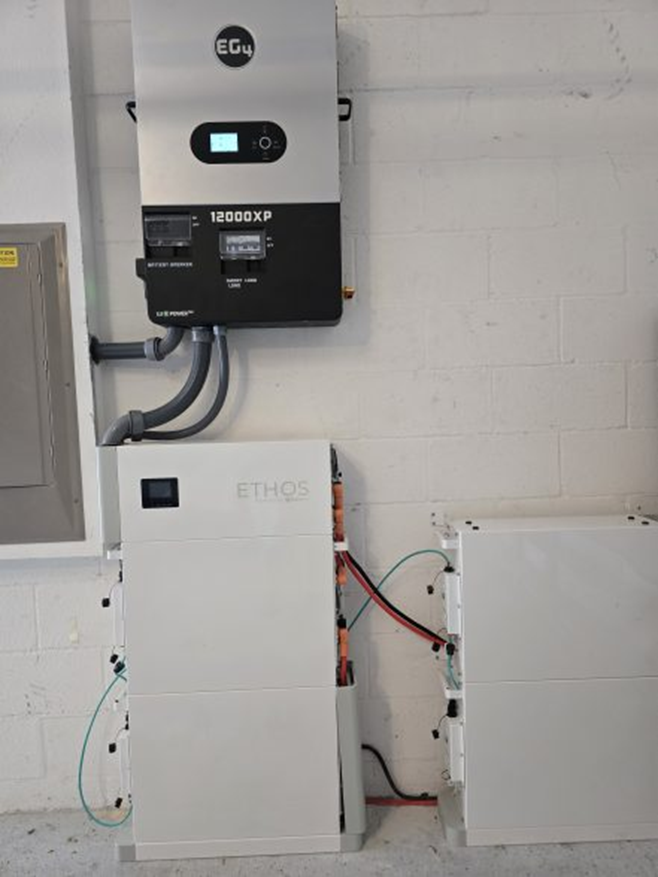
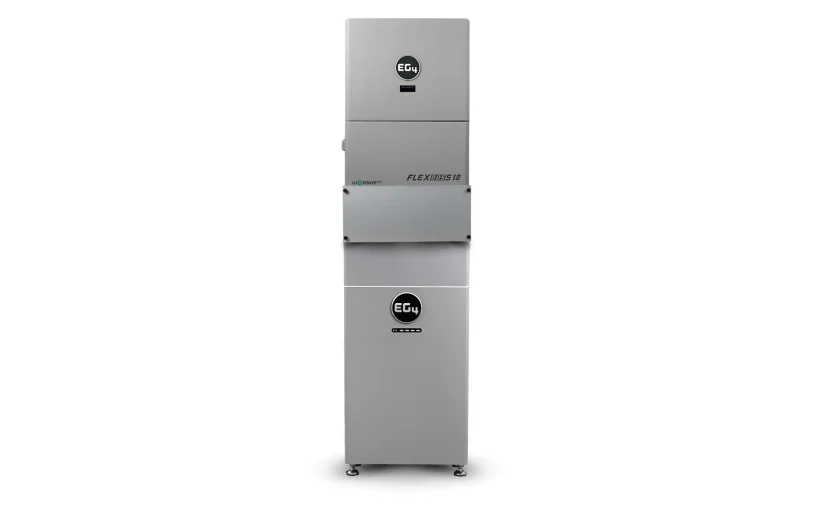
BigBattery’s ETHOS + EG4 FlexBOSS18 ESS is one example. The ETHOS battery spec lists UL 9540, UL 9540A, and UL 1973, and BigBattery describes the pairing with the EG4 FlexBOSS18 hybrid inverter as designed with UL 9540 certified configurations. Check the certificates on the product page for the exact scope.
UL 1973: Stationary Battery Safety
UL 1973 evaluates the electrical, mechanical, and environmental safety of stationary batteries. A battery with UL 1973 recognition is an important part of the safety picture, but it does not replace UL 9540 for the full installed system.
UL 1741: Inverters and Grid Interaction
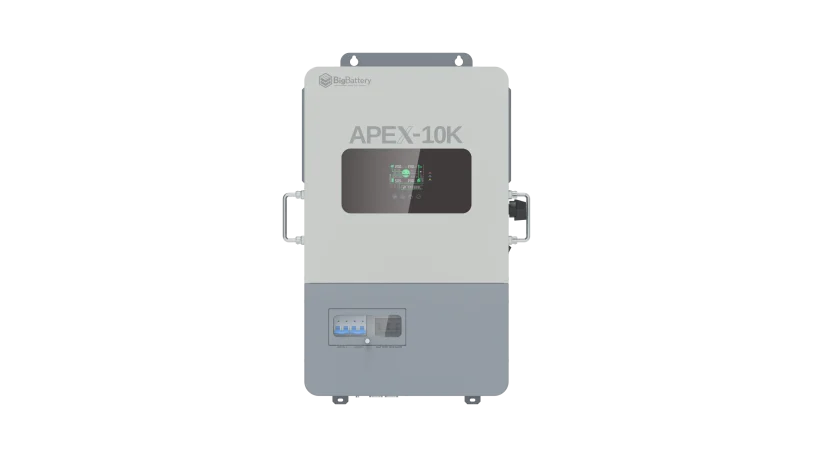
UL 1741 covers inverters, converters, controllers, and interconnection equipment for distributed energy resources. If your goal is a grid-tied solar system with battery backup, inverter approvals are not optional details. Verify the specific inverter model, not just the brand.
BigBattery lists a UL 1741 certificate and a CEC listing in the documents for the EG4 FlexBOSS18.
UL 9540A: A Fire-Test Method, Not a Product Listing
UL 9540A is a test method that evaluates thermal runaway fire propagation. It is not a certification label interchangeable with UL 9540. Its data can inform spacing, enclosure needs, and fire-protection measures, so ask what level of testing was done and how it applies to your configuration.
Why Listings Matter During Permitting and Installation
Local jurisdictions commonly apply electrical and fire codes, including requirements informed by the National Electrical Code (Article 706 covers energy storage systems) and NFPA 855, the standard for stationary energy storage systems. Local amendments can affect installation location and allowed capacity.
Garages, exterior walls, basements, and detached buildings may be treated differently. Clearances, responder access, mounting height, barriers, and maximum capacity may all apply. Your AHJ (authority having jurisdiction) has the final word.
The lowest battery price may not be the lowest project cost if the documentation does not support the permit.
Choosing the Right UL Certified Home Battery System
Start with the loads the system must support. Capacity is measured in kWh, the energy stored. Power output is measured in kW, the load the system can support at one time. Both matter.
Document your critical loads, starting surge, desired backup hours, and whether solar will recharge the system during an outage. The Solar Battery Sizing Calculator turns that load list into a capacity target.
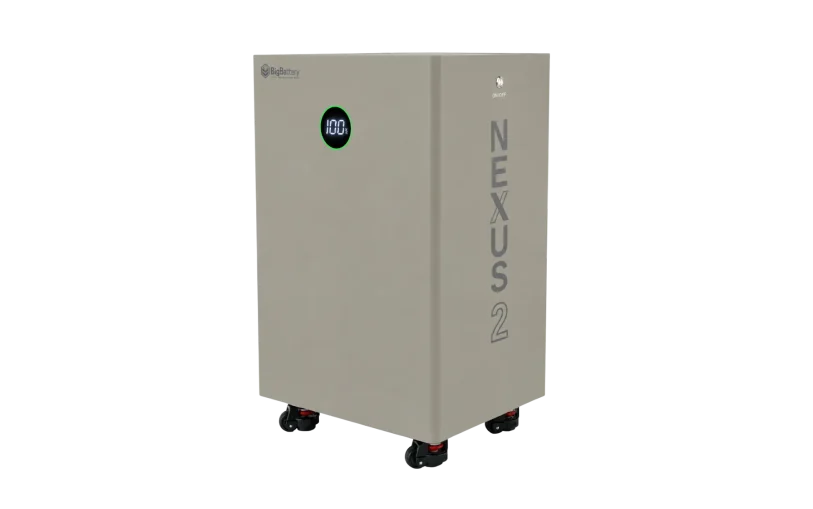
LiFePO4 chemistry is popular for its long cycle life, stable performance, and low maintenance. The BMS, enclosure, communications, disconnect strategy, and inverter integration also need attention. Modular LiFePO4 storage such as the ETHOS battery can make sense when you want to begin with essential-load backup and add capacity later.
Ask These Questions Before You Buy
- Is the battery intended for stationary residential use?
- Which UL standard applies to this exact product?
- Is the battery documented as compatible with the inverter?
- How does the battery communicate with the inverter? Closed ecosystems can limit future choices, while open protocols offer flexibility if the integration is tested and supported.
Finally, ask for the documents your installer or permit office will need: specification sheets, installation manuals, listing information, wiring diagrams, warranty terms, and test documentation. BigBattery lists certificates for select products under Documents & Certifications on each product page, and Product documents collects specs, manuals, and certifications in one place.
Do Not Confuse a Battery Listing With a Finished System
DIY-capable homeowners can build good systems from clear plans. Permanent grid-connected battery installs, though, involve high-voltage DC, utility interconnection, fault protection, and local fire requirements.
Some buyers prefer a preconfigured system with professional installation. Others use modular batteries, an off-grid inverter, and a critical-load panel. BigBattery’s Texas-based experts can help with capacity, voltage, and inverter compatibility either way.
Choose documented equipment, size it around real loads, and let listing requirements guide the design.
Get Help Choosing a UL Certified Home Battery System
BigBattery’s Texas-based experts can help you match capacity, voltage, and inverter compatibility before you buy. See BigBattery’s UL-certified grid-tied systems, size your loads with the Solar Battery Sizing Calculator, or call (818) 280-3091 to talk through your listing and permit requirements.
Frequently Asked Questions
What does UL certified mean for a home battery system?
UL is a third-party safety organization that develops test standards and evaluates products against them. "UL certified" is used broadly, so ask what part of the system is listed and to which standard: the battery, the inverter, or the complete energy storage system.
What is the difference between UL 9540 and UL 1973?
UL 9540 applies to the complete energy storage system as an integrated product. UL 1973 addresses the stationary battery itself. A battery with UL 1973 recognition is not automatically a UL 9540 system.
Is UL 9540A a certification?
No. UL 9540A is a test method for thermal runaway fire propagation. Its data helps code officials and system designers decide installation conditions such as spacing, enclosures, and fire protection.
Do I need a UL listed battery to get a permit?
Requirements vary by jurisdiction. Local codes commonly follow the National Electrical Code and NFPA 855, and your utility and AHJ may require specific listings. Confirm the rules with your AHJ before ordering.
Does UL 1741 apply to the battery?
No. UL 1741 covers inverters, converters, controllers, and interconnection equipment. If your system is grid-tied, verify the inverter model, not just the inverter brand.
What documents should I ask for before buying a home battery system?
Ask for specification sheets, installation manuals, listing information, wiring diagrams, warranty terms, and available test documentation. Your installer and permit office will likely need them.