



Putting together a functioning solar power system takes a lot of work, as different devices and parts work together. The four primary components of solar energy are panels, a regulator or controller, batteries, and an inverter. These parts serve valuable purposes, so you might wonder what a solar inverter is and how it works. BigBattery is here to explain how this simple device can help you utilize solar power.
What Is a Solar Inverter?
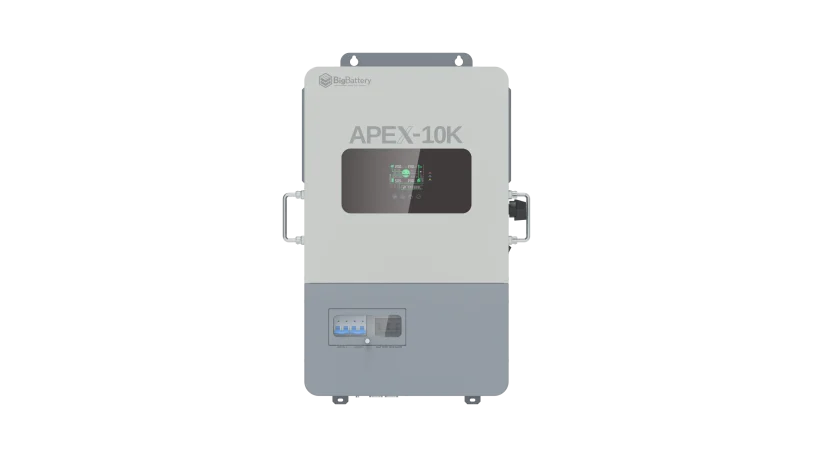
A solar inverter is typically a small to medium-sized device that connects to your solar power system. Many inverters connect from solar panels to a battery or directly into a home’s power system. The inverter takes the power from the solar power system and sends it to your residence or business as usable electricity.
How Do Inverters Work?
Knowing what a solar inverter is and how it works is vital when establishing solar power. When your solar panels absorb sunlight, the regulator sends it to the batteries and stores the power as a direct current (DC). The inverter transforms DC energy into a 120V/240V alternating current (AC), which enables you to use solar energy to power your home appliances and electronics safely.
Why Are Inverters Important?
You may be wondering why we need the inverter to convert the DC power to an alternating current instead of powering everything through the battery. The inverter can access more power from the battery for clean, long-lasting energy. Trying to wash a load of laundry with a washing machine running on DC power will likely drain the stored solar energy. The conversion to AC power makes the process more efficient and gives you more electricity to use. It also reduces the risk of burning out your system.
BigBattery can help you learn more about setting up a solar panel system in your residence. We have a wide range of helpful blogs covering the tools and knowledge you need to get off the grid. Our online store offers large lithium battery packs and inverters to help you maximize your renewable energy system. If you have any additional questions, comments, or concerns, please contact us anytime, and a member of our staff will be happy to assist you.
Facebook
Twitter
LinkedIn
Pinterest
Frequently Asked Questions
How long do LiFePO4 batteries last?
A quality LiFePO4 battery can commonly deliver 4,000 or more charge cycles, often roughly 10 years or longer under the right conditions. Depth of discharge, temperature, charge settings, storage habits, and the BMS all affect the result.
How many years is 4,000 cycles?
One full cycle per day is about 11 years. Three cycles per week is more than 25 years on paper, though calendar aging becomes the limit first.
What happens at the end of a LiFePO4 battery's life?
It does not suddenly stop. It loses capacity gradually. A battery rated for 4,000 cycles may be specified to keep around 80% of its original capacity at that point.
Does temperature affect LiFePO4 battery life?
Yes. High heat speeds aging, and charging below freezing can damage cells unless the battery has low-temperature protection or self-heating.
How long does a lithium battery last in an RV?
Many years, when charging sources are configured correctly and the battery is protected from freezing charge conditions. Annual cycles are often fewer than in a daily solar system, but conditions vary more.
How should I store a lithium battery?
Store it at a partial state of charge in a clean, dry, moderate-temperature location. Disconnect parasitic loads and check it periodically per the manufacturer's guidance.