



Blackouts! They can come on quickly and usually occur during a severe storm, periods of high demand for electricity, accidents, equipment failure, and other events. When the power goes down, will you and your family be ready? Whether it lasts a few hours or a few days, it’s wise to ready yourself for the possibility of a power outage. Here are a few important things you need to prepare for a power outage.
Keep the Fridge and Freezer Closed
When the power goes out, you’ll need to skip the trips to the refrigerator in order to keep food from going bad. Perishable foods can be in the refrigerator for four hours before you need to worry about spoilage. A full fridge is good for 48 hours of preservation, while a half-full fridge can last 24 hours before you need to dispose of meats, milk, eggs, leftovers, and so on. If you have access to ice or dry ice, you can keep these things in a cooler for a bit longer, but you should still keep the temperature below 40 degrees.
Utilize Alternate Power Sources
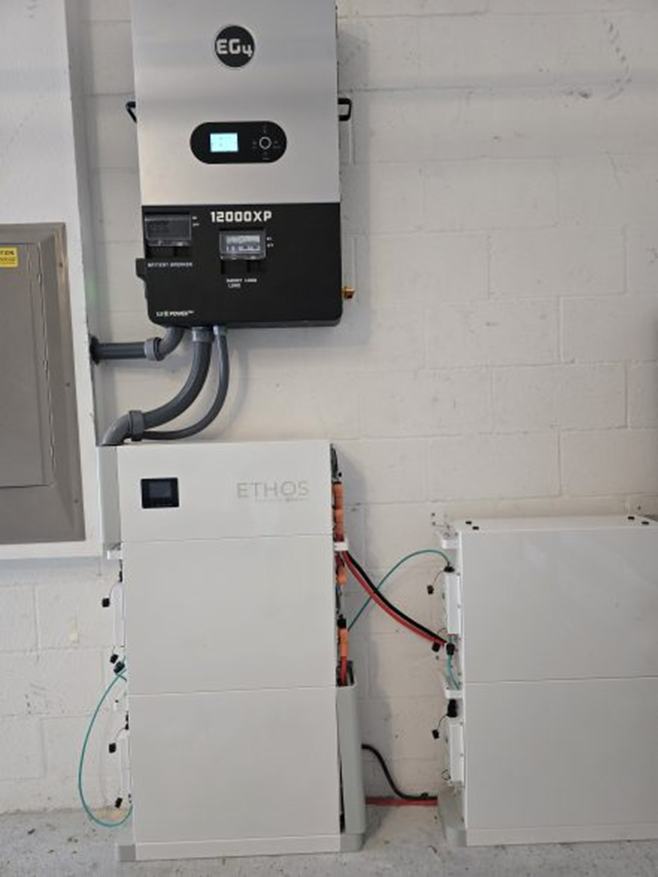
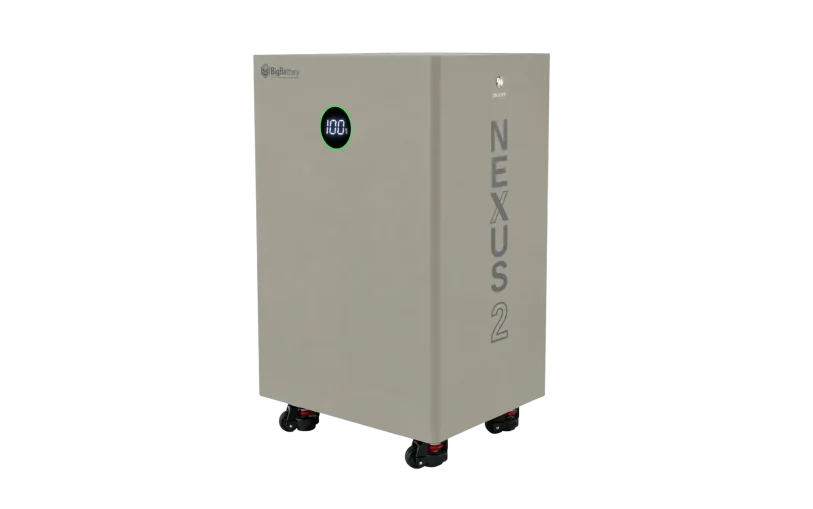
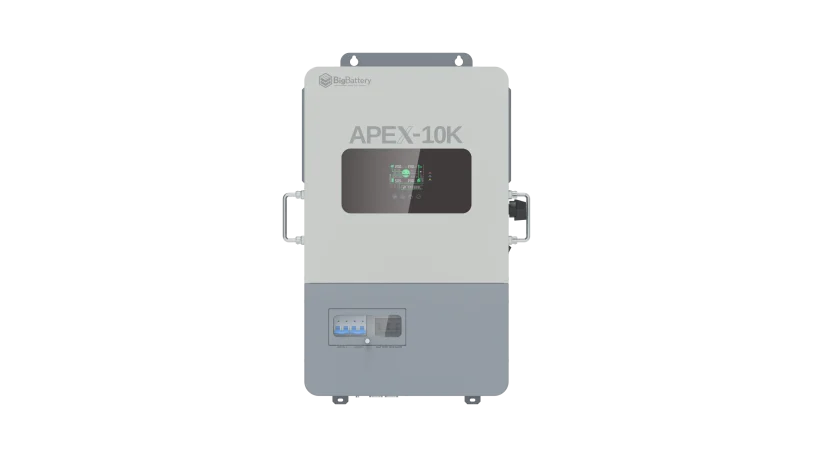
Stock up on batteries, not just for your flashlights but also for other necessities like lanterns, radios, and the like. If you have greater and more pressing power needs, such as for medical equipment, computer systems, emergency equipment, and so forth, it’s best to outfit your home with a battery-powered system charged by large lithium battery packs. These battery packs can keep you operating at pre-outage efficiency, recharge swiftly, and can be kept charged up via solar panels during the day.
Check Your Water Supply
When the power goes, water might still be flowing from your faucets, but that depends on the circumstances. If you’re hooked up to a city’s plumbing system, you’re okay since the water pressure likely comes from a nearby water tower. However, if you draw water from a well, no power can mean no working electrical pumps. Keep a supply of water handy. One average, humans need about a gallon of water a day to survive. But consider the fact that water is also used for cooking, hygiene, and sanitary purposes. Purchasing a set of 32-gallon barrels can provide you with water for weeks, but periodically check on your supply and replace the water every six months.
Be Ready To Bug Out
Here’s one of the most important thing you need to prepare for a power outage—pack a bug-out bag. If the situation grows dire, you might need to relocate. Have a bag ready that’s packed with essentials, including:
- Flashlights
- An emergency radio
- Water purification materials
- A first aid kit
- Water
- A three-day supply of food
- Money
- Emergency blankets
- A multi-purpose tool
- Important documents such as medical information and so forth
- A cell phone
- A recharger.
Hopefully, you’ll never need this kit, but it’s better to have it handy in case you do.
Share on facebook
Facebook
Share on twitter
Twitter
Share on linkedin
LinkedIn
Share on pinterest
Pinterest
Frequently Asked Questions
How long do LiFePO4 batteries last?
A quality LiFePO4 battery can commonly deliver 4,000 or more charge cycles, often roughly 10 years or longer under the right conditions. Depth of discharge, temperature, charge settings, storage habits, and the BMS all affect the result.
How many years is 4,000 cycles?
One full cycle per day is about 11 years. Three cycles per week is more than 25 years on paper, though calendar aging becomes the limit first.
What happens at the end of a LiFePO4 battery's life?
It does not suddenly stop. It loses capacity gradually. A battery rated for 4,000 cycles may be specified to keep around 80% of its original capacity at that point.
Does temperature affect LiFePO4 battery life?
Yes. High heat speeds aging, and charging below freezing can damage cells unless the battery has low-temperature protection or self-heating.
How long does a lithium battery last in an RV?
Many years, when charging sources are configured correctly and the battery is protected from freezing charge conditions. Annual cycles are often fewer than in a daily solar system, but conditions vary more.
How should I store a lithium battery?
Store it at a partial state of charge in a clean, dry, moderate-temperature location. Disconnect parasitic loads and check it periodically per the manufacturer's guidance.