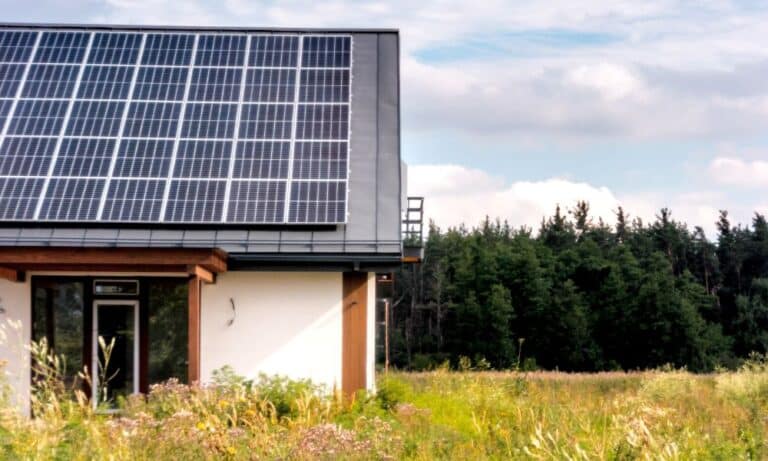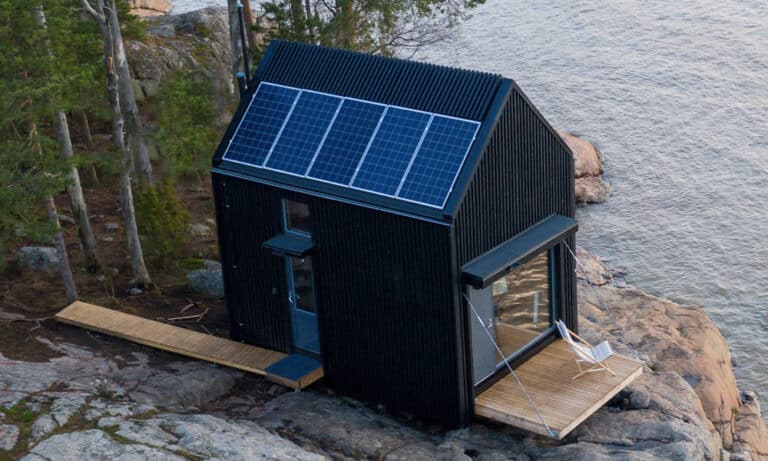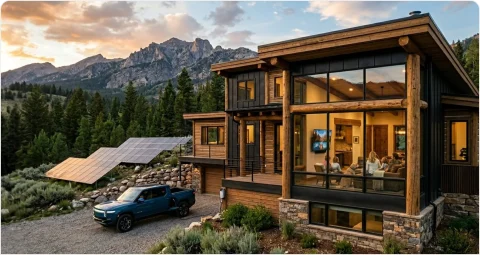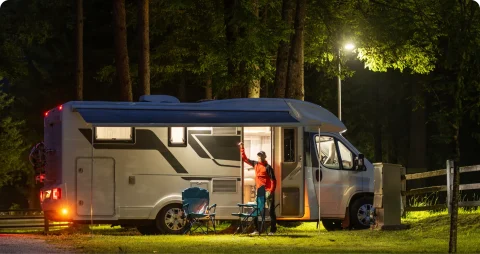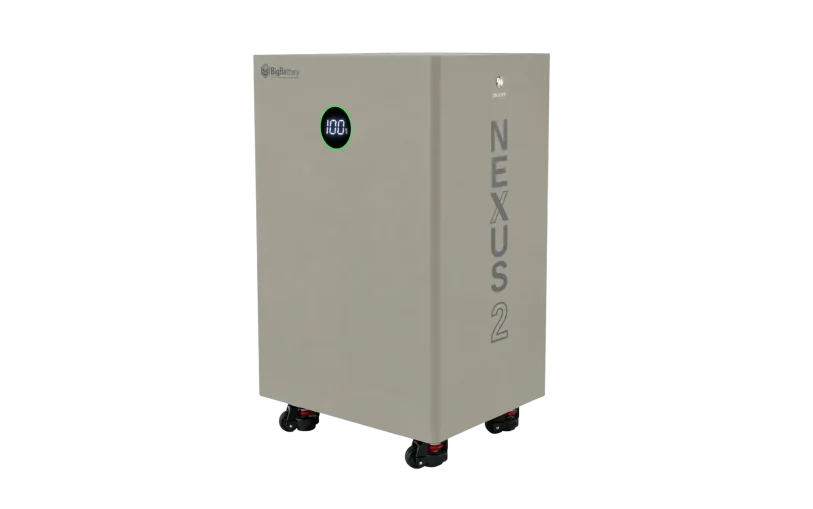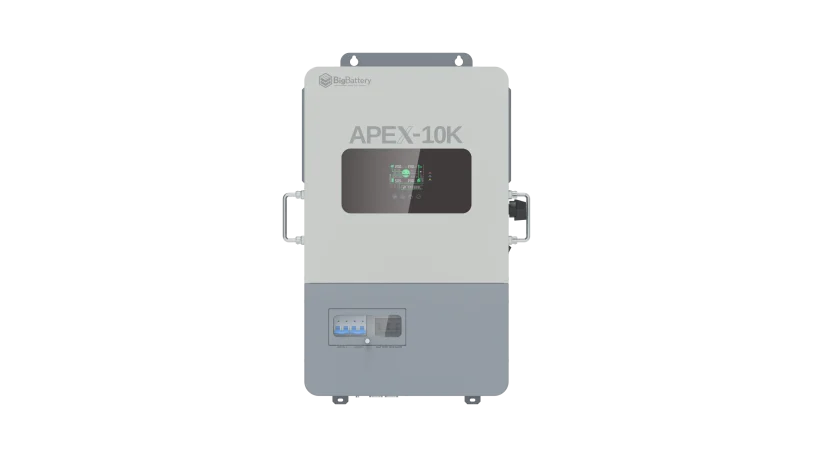




If you’ve decided to completely get away from it all, you need to have a plan in place for all of life’s basic needs and comforts. Power is one of those needs. While roughing it has its charms and rewards, sometimes you need that extra bit of power to get things done. Consider setting up your own electrical system with a set of solar panels attached to a bank of batteries (the 48-volt lithium solar battery is an optimal choice). But first, you need to do some calculations. Exactly how many solar panels do you need to go off-grid?
Seasonality of Solar
Before you get started, assess how long you plan to live in the place. Is it a vacation home you visit a month or two out of the year or are you truly planning to get away from it all and live there year-round? If you’re only there for a month or two during the summer, you’ll have the advantage of longer, brighter days that will keep your batteries charged. If that’s the case, you can get away with a smaller arrangement of solar panels. If you’re there all year long, you need to be ready for the predictably shorter and darker wintry months with a larger array of panels.
Bills, Bills, Bills
Another measure to follow to answer the question of how many solar panels do you need to go off-grid is your electric bill. Review your bills from the past several years and chart the highs and lows as well as other patterns of usage. Account for what the electricity you use goes toward, such as electronic devices, heating and cooling, and the like. Think about what you’ll need and what you won’t need off the grid and calculate how much power your system will need to put out when you’re off the grid. As a side benefit, you may discover what you can do without, requiring less investment in your solar panels and a backup 48-volt lithium solar battery setup.
Measure Solar Usage
Another thing to consider is the size of your home where you intend to go off the grid. On average, in the United States, homes have as much as 2500 square feet of space. By one estimate, that can require some 37 or more panels to power the place annually. Incorporate the annual power consumption by indispensable appliances and devices like refrigerators, freezers, stoves, and the like into your calculations as well. When you’ve run the numbers, you’ll have another set of data to help you make an educated decision.
Consult an Expert
Of course, the best person to consult with is whoever you choose to install your system. They can review the information you collected, as well as visit and assess the property to decide the best system to install and how many panels it will require. Get testimonials on their work and do some research beforehand so you’re prepared to ask the right questions!
Here at BigBattery, we have batteries for all off-grid and solar applications. Check out our line of solar products to see what may best fit your needs!
Share on facebook
Facebook
Share on twitter
Twitter
Share on linkedin
LinkedIn
Share on pinterest
Pinterest
Frequently Asked Questions
How long do LiFePO4 batteries last?
A quality LiFePO4 battery can commonly deliver 4,000 or more charge cycles, often roughly 10 years or longer under the right conditions. Depth of discharge, temperature, charge settings, storage habits, and the BMS all affect the result.
How many years is 4,000 cycles?
One full cycle per day is about 11 years. Three cycles per week is more than 25 years on paper, though calendar aging becomes the limit first.
What happens at the end of a LiFePO4 battery's life?
It does not suddenly stop. It loses capacity gradually. A battery rated for 4,000 cycles may be specified to keep around 80% of its original capacity at that point.
Does temperature affect LiFePO4 battery life?
Yes. High heat speeds aging, and charging below freezing can damage cells unless the battery has low-temperature protection or self-heating.
How long does a lithium battery last in an RV?
Many years, when charging sources are configured correctly and the battery is protected from freezing charge conditions. Annual cycles are often fewer than in a daily solar system, but conditions vary more.
How should I store a lithium battery?
Store it at a partial state of charge in a clean, dry, moderate-temperature location. Disconnect parasitic loads and check it periodically per the manufacturer's guidance.