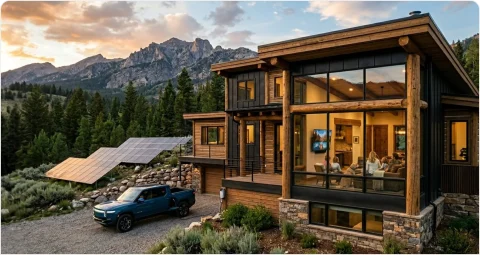




Loss of power can be sudden and unexpected, and sometimes not so unexpected. One moment you’re enjoying a nice day in your house, and the next you find yourself sitting in darkness. But you can prepare for the worst and outfit your home with extra reserves and power for the things you need to keep running. With that in mind, here are a few imperative suggestions on the importance of backup power for your home.
Blackout!
If you’ve ever wondered what causes blackouts, there are multiple reasons why the lights, and everything else, go out. At home, the most basic blackouts happen when a circuit is tripped or a fuse is blown. These occur when the circuit attempts to draw more electrical power than it can handle. To prevent things from heating up to a dangerous degree, the circuit shuts off or blows, keeping the wires from overheating. Tripped circuits are temporary and can be easily fixed, of course, by replacing the fuse or flipping the switch in the circuit breaker box. Power can also be lost as well if the house loses its connection with the power grid, often because of a fallen or disconnected wire. This takes slightly longer to repair. But what if the power goes out off of the premises?
Grid Outages
Outside the home, blackouts can be caused by any number of factors. Powerlines can be brought down by the weather. Power stations and substations can experience damage or instrument failure. Trees can fall on power lines, or the wires and other equipment can be interfered with by wildlife. Power outages can even be planned to upgrade equipment, save power, and so on. Most people, in decent weather, can survive a few hours without power, but institutions like hospitals, water treatment facilities, emergency services, and the like usually have backup generators ready to turn on and keep things going. Most often they rely on battery banks that are kept charged and ready for use. That’s good, but what about your own home?
Backup Power for Your House
Blackouts that extend for days is no fun at all. For one, if you keep the doors shut, the food in your refrigerator can keep for only four hours, while a freezer can prevent spoilage for 48 hours (about 2 days), at most. If you have medical equipment that supports or sustains a person’s health, you might have minutes, not hours, to get it running again. If the power goes out during a storm and you live in a wetter area, consider how fast your basement will flood without a powered sump pump. From another perspective, unless you have gas heating to keep your house warm, a power outage in winter can lead to frozen and then burst pipes that can’t be kept warm and flowing.
Establishing Backup Power in Your Home
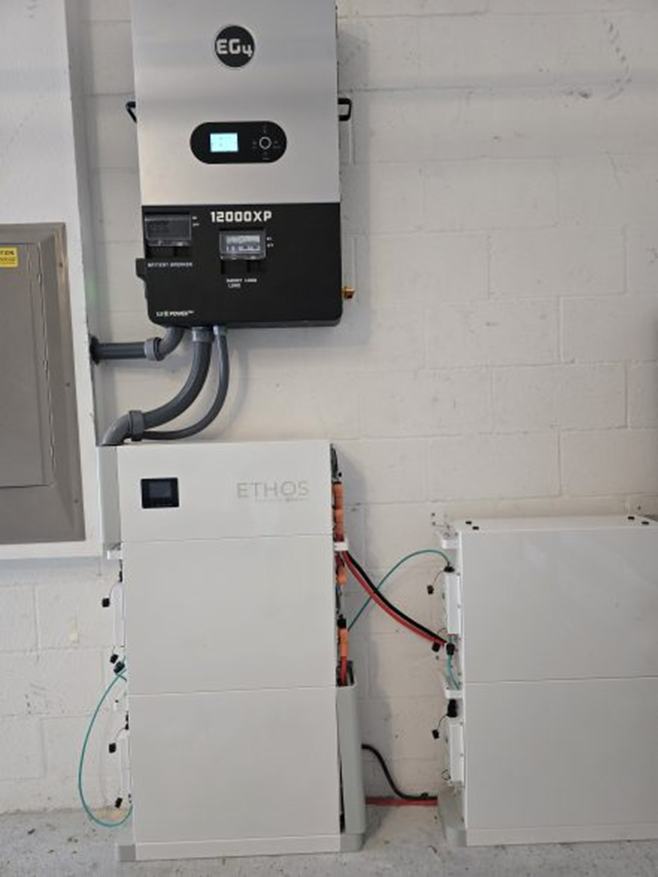
When discussing the importance of backup power for your home, LFP batteries are one of the best options available. This will keep your essential devices up and running during a power outage, so you can stay connected and stay safe.
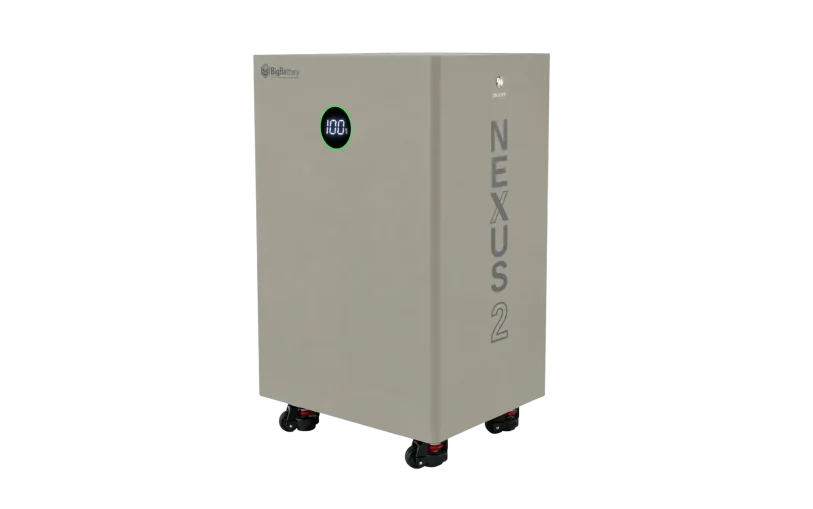
The battery system that you’ll need depends on your typical power consumption, the size of the house/building you need power for, and more. For smaller houses, 12V-24V can do the trick, for the average house and bigger applications, and 48V system is typically recommended. BigBattery’s Off-Grid selection of LiFePO4 batteries can give more insight into the ideal battery you may need.
What’s Next?
If you see and feel the need to install a backup power system in your home, you might want to start by speaking to our customer service team here at BigBattery. They can advise you on the system that’s best for your home and quote a price for purchase. If you choose to have a solar panel array, we offer large lithium-ion batteries for sale that can take and hold an abundance of energy. Feel free to contact us with any questions about our large lithium-ion batteries for sale as well as our many other finer and high-powered products! You can reach us at (818) 280-3091 or through our website at bigbattery.com/contact.
Share on facebook
Facebook
Share on twitter
Twitter
Share on linkedin
LinkedIn
Share on pinterest
Pinterest
Frequently Asked Questions
How long do LiFePO4 batteries last?
A quality LiFePO4 battery can commonly deliver 4,000 or more charge cycles, often roughly 10 years or longer under the right conditions. Depth of discharge, temperature, charge settings, storage habits, and the BMS all affect the result.
How many years is 4,000 cycles?
One full cycle per day is about 11 years. Three cycles per week is more than 25 years on paper, though calendar aging becomes the limit first.
What happens at the end of a LiFePO4 battery's life?
It does not suddenly stop. It loses capacity gradually. A battery rated for 4,000 cycles may be specified to keep around 80% of its original capacity at that point.
Does temperature affect LiFePO4 battery life?
Yes. High heat speeds aging, and charging below freezing can damage cells unless the battery has low-temperature protection or self-heating.
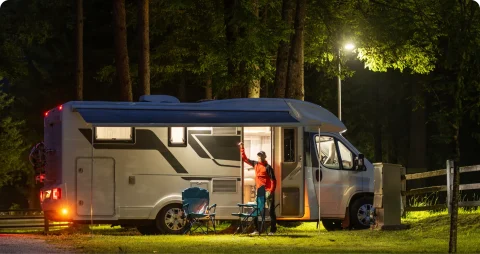
How long does a lithium battery last in an RV?
Many years, when charging sources are configured correctly and the battery is protected from freezing charge conditions. Annual cycles are often fewer than in a daily solar system, but conditions vary more.
How should I store a lithium battery?
Store it at a partial state of charge in a clean, dry, moderate-temperature location. Disconnect parasitic loads and check it periodically per the manufacturer's guidance.