



A lot of freedom comes with living off the power grid. You generate your own power and strive to create your own system. While this is a worthwhile investment for many, it’s not without its share of difficulties. Here are five of the biggest challenges of living off the grid that you’re likely to encounter.
1. Food Source
Living off the land is all about self-reliance, and what you’ll quickly discover is that you’ll need a steady food source, since often off grid properties are quite a drive from your average grocery store. One of the best options is to start a garden and learn canning techniques to make your crops last longer. But plants take time to grow, so you may need some provisions to last you through those times.
2. Location
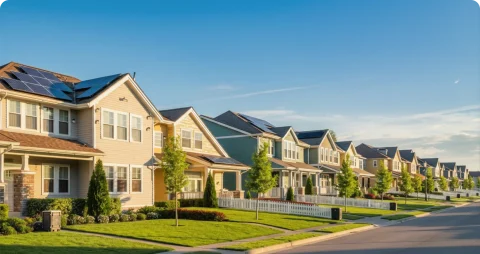
Without a doubt, one of the biggest challenges of living off the grid is choosing the right location. In many urban and suburban areas, local laws prohibit you from disconnecting your property from utilities. So, if you want to create your own power system, you may need your own land in a more rural or isolated area.
3. Power Source
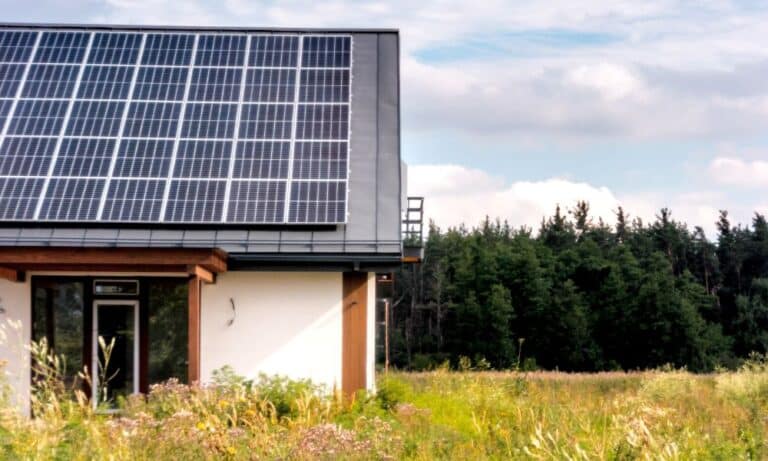
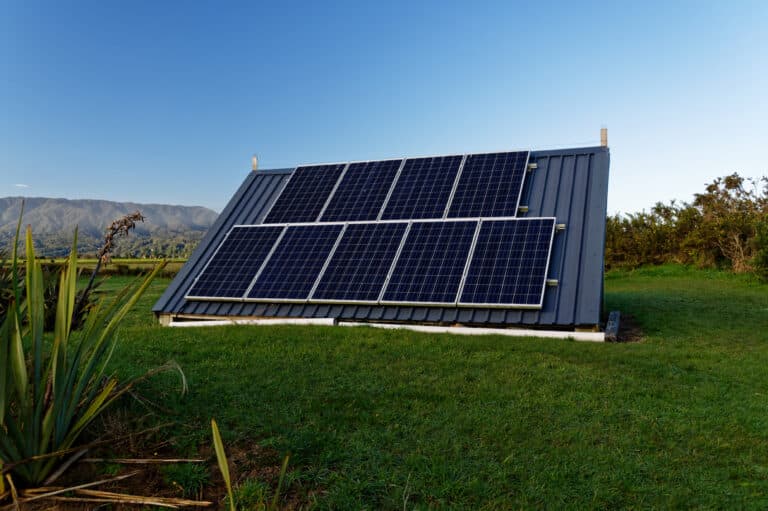
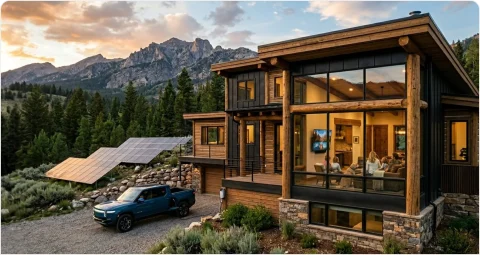
People looking to live off grid need to develop another source of power. Solar power is one of the most common setups since it’s efficient and relatively easy to set up. When creating a power source, it’s a good idea to know roughly how much power you use per month so that you have a better idea of what you may realistically need out of your power system.
4. Water
Water is one of the most fundamentally vital resources. Many people who live off the grid work with different systems, such as collecting and purifying rainwater. Having a local source of fresh water or boring your own well is crucial when living off the grid.
5. Monetary Investment
It’ll be a costly investment if you’re looking to truly create your own power system and live off the grid all at once. Depending on your financial situation, it may benefit you to make smaller purchases over time while building up to this significant life change. The reality is that living off the grid is an expensive process for most people, but with the right tools and knowledge, can become more affordable and that much more rewarding.
If you’re looking into building your own solar power system and need an off-grid lithium battery bank at an incredible price per kWh, BigBattery has the equipment you need to get started. Browse our catalog or reach out to one of our specialists with any questions or comments.
Share on facebook
Facebook
Share on twitter
Twitter
Share on linkedin
LinkedIn
Share on pinterest
Pinterest
Frequently Asked Questions
How long do LiFePO4 batteries last?
A quality LiFePO4 battery can commonly deliver 4,000 or more charge cycles, often roughly 10 years or longer under the right conditions. Depth of discharge, temperature, charge settings, storage habits, and the BMS all affect the result.
How many years is 4,000 cycles?
One full cycle per day is about 11 years. Three cycles per week is more than 25 years on paper, though calendar aging becomes the limit first.
What happens at the end of a LiFePO4 battery's life?
It does not suddenly stop. It loses capacity gradually. A battery rated for 4,000 cycles may be specified to keep around 80% of its original capacity at that point.
Does temperature affect LiFePO4 battery life?
Yes. High heat speeds aging, and charging below freezing can damage cells unless the battery has low-temperature protection or self-heating.
How long does a lithium battery last in an RV?
Many years, when charging sources are configured correctly and the battery is protected from freezing charge conditions. Annual cycles are often fewer than in a daily solar system, but conditions vary more.
How should I store a lithium battery?
Store it at a partial state of charge in a clean, dry, moderate-temperature location. Disconnect parasitic loads and check it periodically per the manufacturer's guidance.