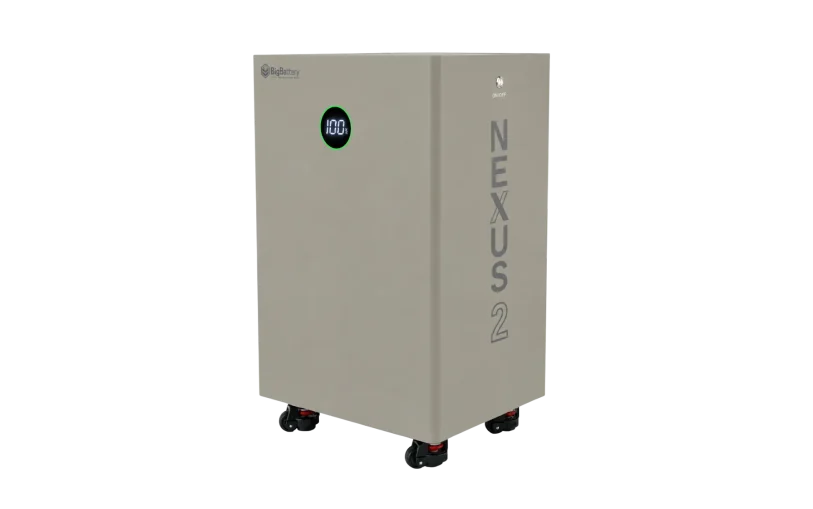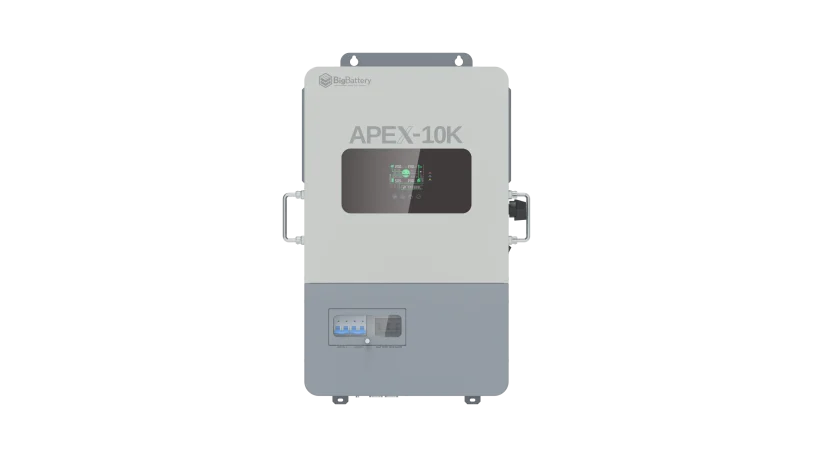







Energy reliability isn’t just a convenience for commercial business—it’s a necessity! If you need to maintain stable, reliable power throughout your building, backup batteries are playing an increasingly vital role in making it happen! If you run your own business or just need to keep things running smoothly through any conditions, consider some of the untapped benefits of backup batteries in commercial buildings.
Ensuring Uninterrupted Operations
One of the most immediate benefits of installing backup batteries in commercial buildings is the assurance of uninterrupted operations. In many cases, a loss of power results in a loss of productivity, so being able to enjoy backup power can make things better for your employees, customers, and revenue.
Energy Cost Savings and Efficiency
One of the other benefits of backup batteries in commercial buildings is that they can manage energy costs and make things more efficient for your business. Modern backup batteries can store energy during off-peak hours when electricity rates are lower and then provide power during peak demand times. This process, often called load shifting, can result in substantial cost savings for commercial building owners over time.
Enhancing Forklift Operations
For many commercial buildings, particularly retail locations, forklift operations are essential for handling freight and unloading trucks. Having backup batteries can refer to your entire office’s power system or to keeping your electric forklifts in operation at all times. Having these batteries works to ensure that you can always charge your forklifts and operate them at any given moment. Plus, when you use lithium batteries for your electric forklifts, you’re able to benefit from faster charge times and zero routine maintenance when compared to lead-acid and other battery options, further boosting productivity, and saving your team time and money.
Investment in Business Continuity and Resilience
Lastly, committing to backup batteries is a strategic investment in your business’s resilience. By safeguarding against disruptions, you send a message to your clients and stakeholders: reliability is central to your operations. Furthermore, adopting this technology positions your business as forward-thinking as you align with resilient infrastructure trends. It’s not just a backup plan—it’s a foundational aspect of a robust risk management strategy.
Don’t let energy uncertainties disrupt your business’s momentum. Ensure robust efficiency and unshakable operational continuity with BigBattery’s industrial lithium ion battery packs. Our cutting-edge solutions provide the resilience your enterprise needs to thrive in today’s dynamic market. Connect with us today and take the first step toward a future where no power outage can put a damper on your productivity. Trust BigBattery to empower your business. Contact us today to explore your backup battery options.
Facebook
Twitter
LinkedIn
Pinterest
Frequently Asked Questions
How long do LiFePO4 batteries last?
A quality LiFePO4 battery can commonly deliver 4,000 or more charge cycles, often roughly 10 years or longer under the right conditions. Depth of discharge, temperature, charge settings, storage habits, and the BMS all affect the result.
How many years is 4,000 cycles?
One full cycle per day is about 11 years. Three cycles per week is more than 25 years on paper, though calendar aging becomes the limit first.
What happens at the end of a LiFePO4 battery's life?
It does not suddenly stop. It loses capacity gradually. A battery rated for 4,000 cycles may be specified to keep around 80% of its original capacity at that point.
Does temperature affect LiFePO4 battery life?
Yes. High heat speeds aging, and charging below freezing can damage cells unless the battery has low-temperature protection or self-heating.
How long does a lithium battery last in an RV?
Many years, when charging sources are configured correctly and the battery is protected from freezing charge conditions. Annual cycles are often fewer than in a daily solar system, but conditions vary more.
How should I store a lithium battery?
Store it at a partial state of charge in a clean, dry, moderate-temperature location. Disconnect parasitic loads and check it periodically per the manufacturer's guidance.