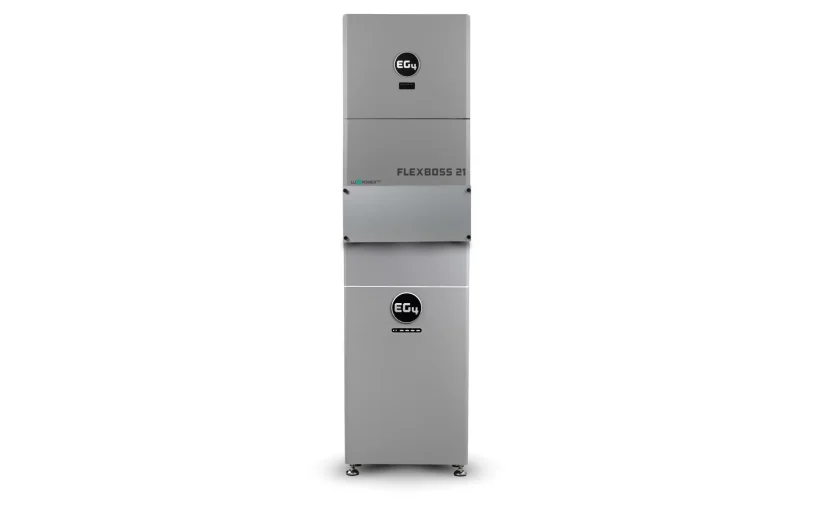






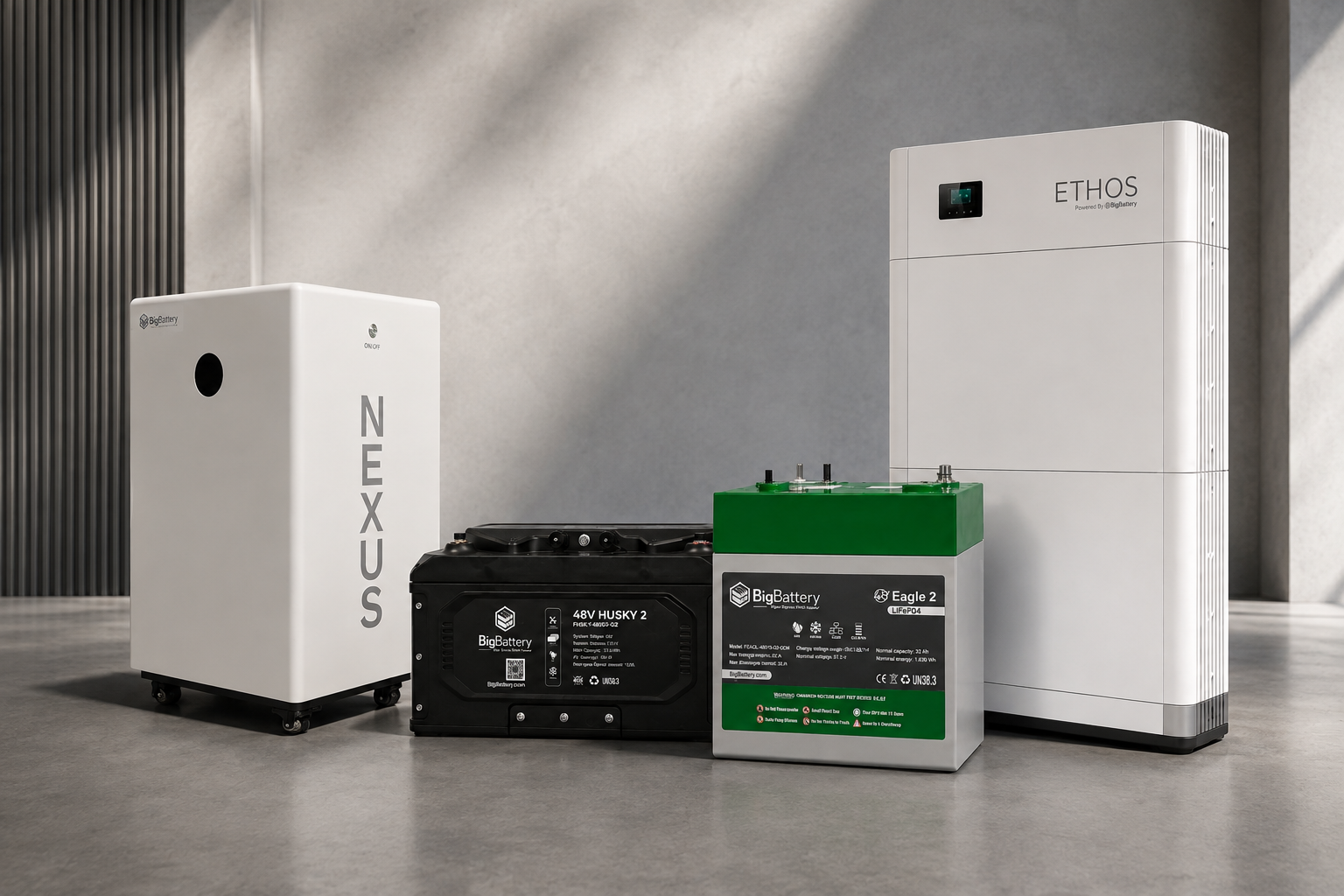
A battery that still works after a few seasons is not necessarily delivering the dependable runtime you bought it for. That is the practical answer behind the question, how long do LiFePO4 batteries last? For homeowners, RV owners, golf cart drivers, boaters, and off-grid system builders, battery life means more than whether a battery can turn on. It means usable capacity, reliable charging, and enough stored energy to run the equipment that matters.
A quality LiFePO4 battery can commonly deliver 4,000 or more charge cycles, often translating to roughly 10 years or longer of service under the right conditions. But cycle count is only part of the picture. Depth of discharge, temperature, charge settings, storage habits, and the battery management system all affect the outcome.
How Long Do LiFePO4 Batteries Last by Years and Cycles?
LiFePO4, also called lithium iron phosphate, is a deep-cycle lithium chemistry built for repeated use. Many quality LiFePO4 batteries are rated for 4,000+ cycles at an 80% depth of discharge. Some systems can deliver substantially more cycles when discharged less deeply and operated within their recommended temperature range.
A cycle is not always one charge from empty to full. It represents using and replacing the equivalent of the battery’s full rated capacity. For example, using 50% of a battery’s capacity one day and another 50% the next day equals approximately one full cycle.
Here is what 4,000 cycles can look like in practical ownership:
- One full cycle every day can equal about 11 years of use.
- Three cycles per week can equal more than 25 years on paper, though calendar aging will become the limiting factor first.
- Seasonal use in an RV, boat, or golf cart may put far fewer cycles on the battery each year.
Those figures are not a promise that every installation will run for decades. Batteries age with time as well as use. Still, the difference from flooded lead-acid is significant. A lead-acid battery may provide only a few hundred deep cycles and typically should not be routinely discharged below 50%. LiFePO4 can usually provide a much larger usable portion of its rated capacity while lasting thousands of cycles.
What “End of Life” Actually Means for LiFePO4 Batteries
Battery life ratings can be misunderstood. A LiFePO4 battery generally does not reach its rated cycle life and suddenly stop working. Instead, it gradually loses capacity. A battery rated for 4,000 cycles may be specified to retain around 80% of its original capacity at that point.
For a 100Ah battery, that could mean it still stores roughly 80Ah after its rated cycle count, depending on the test conditions and how it has been used. That remaining capacity may be completely acceptable for a backup-power bank with extra capacity built in. In a tightly sized RV or trolling-motor setup, however, the reduced runtime may eventually be noticeable.
This is why capacity planning matters from day one. A correctly sized battery bank avoids routine hard cycling and gives you room for cloudy solar days, overnight loads, unexpected outages, or longer time away from shore power.
The Factors That Have the Biggest Effect on the Life of LiFePO4 Batteries
Depth of discharge
How far you drain the battery before recharging it has a direct effect on cycle life. An 80% depth of discharge means using 80% of the battery’s stored energy before charging. Deeper discharges are often acceptable with LiFePO4, but shallower cycles generally support a longer service life.
That does not mean you need to baby the battery or avoid using its capacity. The point of a deep-cycle battery is to work. It means a battery bank should be sized around real loads instead of forcing a single undersized battery to run near empty every day.
Charging equipment and settings
A LiFePO4 battery needs a charger, inverter-charger, solar charge controller, or alternator charging setup with appropriate lithium settings. Incorrect voltage settings can lead to incomplete charging, unnecessary stress, or BMS protection events.
Quality LiFePO4 batteries include a battery management system, or BMS, that monitors conditions such as cell voltage, current, and temperature. The BMS is an essential safety and protection layer, but it should not be used as the regular operating control. Properly configured charging equipment lets the system run efficiently without repeatedly pushing the battery into a protective cutoff.
For larger solar and backup systems, open BMS communications and inverter compatibility can make a meaningful difference. When the inverter and battery can share operating information, charge and discharge behavior can be managed more precisely.
Temperature
LiFePO4 batteries perform well across a broad range of real-world applications, but temperature still matters. High heat accelerates battery aging. A battery installed in a sealed compartment, a hot engine bay, or an unventilated outdoor enclosure may lose capacity faster than one kept in a moderated location.
Charging below freezing requires special attention. Many LiFePO4 batteries use low-temperature charge protection because charging lithium cells when they are too cold can cause damage. A battery with low-temperature cutoff or self-heating capability can be a smart choice for cold-climate RVs, cabins, marine applications, and equipment stored outdoors.
Storage habits
If a battery will sit unused for months, do not leave it fully discharged. Store it at a partial state of charge, disconnect unnecessary parasitic loads, and check it periodically according to the manufacturer’s guidance. A clean, dry location with moderate temperatures is better than a damp compartment or a place exposed to prolonged extreme heat.
Unlike lead-acid batteries, LiFePO4 does not require routine equalization or regular watering. Lower maintenance is a major ownership advantage, but it does not eliminate the need for sensible storage and system checks.
System design and installation quality
Loose connections, undersized cables, poor fusing, mismatched components, and improperly configured inverters can create problems that get blamed on the battery. They can also cause voltage drop, nuisance shutdowns, and excessive current demand.
In a 12V RV system, a high-watt appliance can draw a large amount of current. In a 48V home battery system, the same power demand requires much less current. Selecting the right system voltage, battery capacity, cable size, and protection hardware helps protect both performance and long-term battery health.
LiFePO4 Batteries Lifespan by Application
Usage patterns differ, so the realistic lifespan varies by application.
A residential solar battery may cycle daily, especially in a system designed to store daytime production and carry loads through the evening. With a properly sized 48V battery bank, compatible inverter settings, and a protected installation environment, 10 years or more is a realistic planning horizon for quality equipment.
An RV battery may see fewer annual cycles but more varied conditions. Long drives, heat, cold nights, solar charging, shore power, and storage all play a role. A LiFePO4 battery can serve an RV owner for many years when the charging sources are configured correctly and the battery is protected from freezing charge conditions.
Golf carts and utility vehicles are hard-working cycle applications. Their batteries may be discharged deeply and recharged frequently. LiFePO4 can provide a major advantage in cycle life, charging speed, weight reduction, and consistent voltage under load, but the battery must be matched to the vehicle’s voltage and peak current requirements.
For marine and trolling-motor use, runtime and weight often drive the decision. A properly sized LiFePO4 setup can handle repeated discharge cycles well, but water exposure, terminal corrosion, and charging practices deserve attention. The battery enclosure and connections should be as thoughtfully planned as the battery itself.
How to Get the Most Years From Your Battery
The best way to extend battery life is not complicated: choose enough capacity, use compatible equipment, and avoid extreme conditions. Build in a margin rather than sizing a battery bank only for the perfect day.
Use a charger and solar controller with LiFePO4 settings. Keep high-current connections tight and correctly sized. Do not charge below the battery’s allowed temperature range. When storing the battery, leave it partially charged and remove loads that quietly drain it over time.
Also pay attention to the warranty, but read it as a sign of the manufacturer’s confidence rather than the entire measure of battery quality. Warranty length, cycle-life specifications, technical support, documentation, BMS communication options, and the ability to get help when configuring a system all matter. BigBattery backs qualifying battery systems with a stated 10- to 12-year warranty and Texas-based technical support because long-life equipment should come with support that lasts beyond installation day.
Is LiFePO4 Worth It for Long-Term Ownership?
LiFePO4 usually costs more upfront than lead-acid, but the comparison should not stop at the purchase price. Usable capacity, charging efficiency, cycle life, reduced maintenance, lighter weight, and fewer replacements can make lithium the stronger value over the life of a system.
The best battery is not simply the one with the highest advertised cycle count. It is the one correctly matched to your voltage, loads, charging sources, climate, and expected use. Start with the power you need on a normal day, then plan for the days when the grid is down, the weather changes, or the trip runs longer than expected.