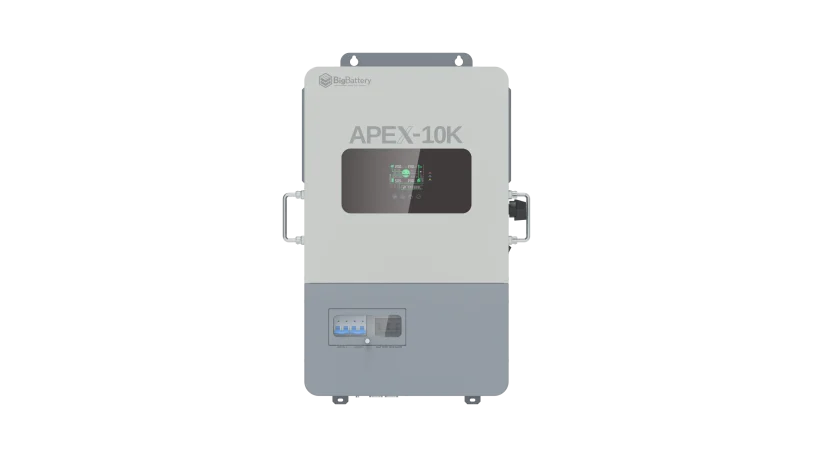




Many devices and systems rely on battery packs, but several modern devices and systems rely on stronger, more durable lithium-ion models instead of high-maintenance lead-acid batteries. BigBattery will showcase the top four applications for lithium-ion batteries and how they can positively impact your home or work environment.
Golf Carts
Golf carts are popular recreational vehicles, and many modern carts utilize lithium-ion batteries. They hold longer charges and require far less maintenance than lead-acid batteries. Whether you use your golf cart for cruising around the neighborhood or unwinding on the back nine, a lithium golf cart battery may be the best investment for you.
Forklifts
Forklifts are standard in industrial settings like warehouses and shipping docks. Many businesses prefer lithium-ion batteries as the power source for their forklifts because they last long on a single charge and due to the number of charge cycles throughout their life. In addition, reduced maintenance costs, greatly reduced downtime, and increased power to the forklifts make things far more efficient. A lithium-ion forklift is a workplace necessity.
Recreational Vehicles
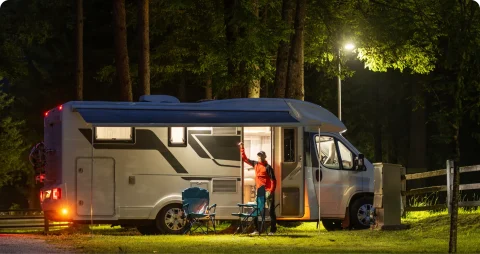
One of the top applications for lithium-ion batteries is in recreational vehicles. Lon-lasting, easy-to-manage battery power in an RV makes it great for camping on or off the grid. You can comfortably boondock in the woods with a powerful, long-lasting battery at the ready. If you enjoy spending time in the great outdoors, making the upgrade to lithium-ion batteries is a smart move.
Solar Panel Systems
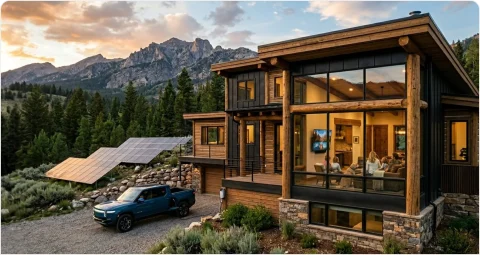
Instead of using these battery packs to power your golf cart or RV, consider using them to power your entire home! Lithium-ion batteries are perfect for setting up a solar or off-grid power system in your home. Solar panels use specialized cells to absorb sunlight and convert it into energy, but any home solar setup needs a powerful, high-capacity battery bank to store that power. The advanced technology of lithium-ion packs ensures you have reliable backup power to use at night, on cloudy days, or during a blackout or other emergency.
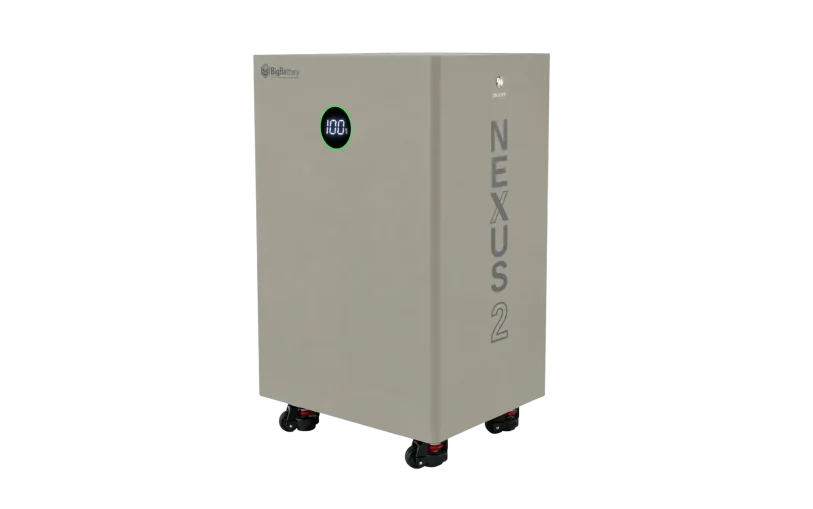
BigBattery has a wide selection of large lithium-ion batteries for sale, and we’ve got packs and services for any application you need. Browse our catalog or contact us anytime to learn more about the different options for battery packs. Discover which one is right for you, and reach out with any additional questions, comments, or concerns.
Share on facebook
Facebook
Share on twitter
Twitter
Share on linkedin
LinkedIn
Share on pinterest
Pinterest
Frequently Asked Questions
How long do LiFePO4 batteries last?
A quality LiFePO4 battery can commonly deliver 4,000 or more charge cycles, often roughly 10 years or longer under the right conditions. Depth of discharge, temperature, charge settings, storage habits, and the BMS all affect the result.
How many years is 4,000 cycles?
One full cycle per day is about 11 years. Three cycles per week is more than 25 years on paper, though calendar aging becomes the limit first.
What happens at the end of a LiFePO4 battery's life?
It does not suddenly stop. It loses capacity gradually. A battery rated for 4,000 cycles may be specified to keep around 80% of its original capacity at that point.
Does temperature affect LiFePO4 battery life?
Yes. High heat speeds aging, and charging below freezing can damage cells unless the battery has low-temperature protection or self-heating.
How long does a lithium battery last in an RV?
Many years, when charging sources are configured correctly and the battery is protected from freezing charge conditions. Annual cycles are often fewer than in a daily solar system, but conditions vary more.
How should I store a lithium battery?
Store it at a partial state of charge in a clean, dry, moderate-temperature location. Disconnect parasitic loads and check it periodically per the manufacturer's guidance.