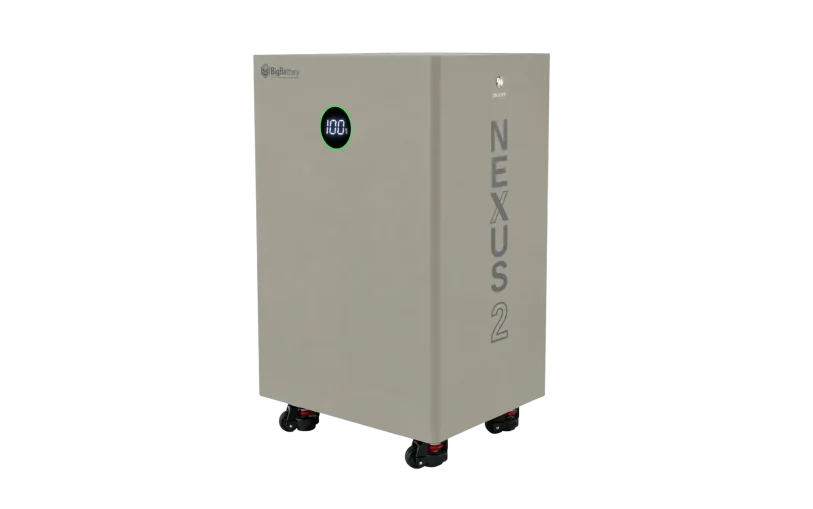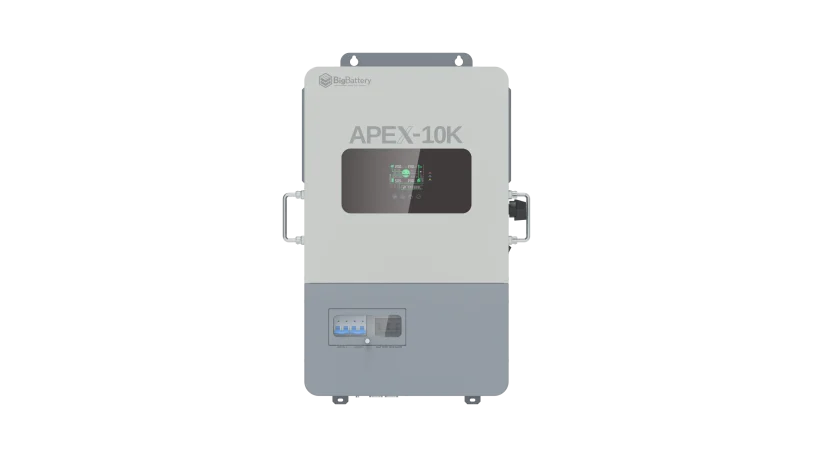




Solar energy has become increasingly popular with homeowners and businesses worldwide. Solar panels convert sunlight into clean, renewable energy, helping to reduce electricity bills and an organization’s carbon footprint. A crucial part of a solar energy system is the battery system, which stores excess energy produced by the panels for use during non-daylight hours. Knowing how often you should replace your solar battery is one of the best ways to ensure you’re never without power. In this post, we’ll discuss this topic and go over some ways to help you better understand the battery replacement process.
Battery Life Expectancy
Most solar batteries have an expected lifespan of between 5 to 15 years, depending on the battery type and usage patterns. Generally, a high-quality battery will last longer and require less frequent replacement. Factors that can influence the life expectancy of a solar battery include the environment or climate in which it’s installed, usage patterns, battery capacity, and maintenance practices.
Signs That It’s Time to Replace the Battery
There are several signs to watch for that can indicate it’s time to replace your solar battery. These may include:
- Decreased performance: If you notice that your solar battery is not holding its charge effectively or is taking longer to reach full capacity, this could be an indication that the battery is nearing the end of its life.
- Swelling or bulging: Physical changes, such as swelling or bulging of the battery, are typically a sign that the internal components are breaking down and may even pose a safety hazard.
- Leakage: If you discover any leaks or signs of corrosion on the battery case, it’s most likely time to replace the battery to prevent further damage. Note that this can be a common issue with lead-acid batteries, but lithium-ion batteries, like what BigBattery offers, rarely encounter this issue.
Don’t Wait Until It’s Too Late: Plan for Replacement
It’s important to plan ahead and know how often you should replace your solar battery. If you wait for your battery to completely fail before replacing it, you risk a lapse in energy storage. To avoid that issue, keep track of your battery’s age, maintain proper documentation, and schedule a replacement before the battery reaches the end of its life expectancy.
Choosing the Right Replacement Battery
When it’s time to replace your solar battery, you’ll want to select the best battery to meet your energy needs. Consider factors such as the battery’s capacity, efficiency, and warranty. It’s also a good idea to consult a professional solar installer to ensure the replacement battery is compatible with your existing solar energy system.
In conclusion, investing in a high-quality solar battery system, such as an off-grid lithium battery bank, can significantly enhance the performance and longevity of your solar energy system. Big Battery’s range of off-grid lithium battery banks exemplifies reliability, performance, and sustainability. A well-chosen and well-maintained battery can serve as an invaluable component of your renewable energy solution. Make the wise choice today with BigBattery. Contact us today to learn more about the products and services we have to offer!
Facebook
Twitter
LinkedIn
Pinterest
Frequently Asked Questions
How long do LiFePO4 batteries last?
A quality LiFePO4 battery can commonly deliver 4,000 or more charge cycles, often roughly 10 years or longer under the right conditions. Depth of discharge, temperature, charge settings, storage habits, and the BMS all affect the result.
How many years is 4,000 cycles?
One full cycle per day is about 11 years. Three cycles per week is more than 25 years on paper, though calendar aging becomes the limit first.
What happens at the end of a LiFePO4 battery's life?
It does not suddenly stop. It loses capacity gradually. A battery rated for 4,000 cycles may be specified to keep around 80% of its original capacity at that point.
Does temperature affect LiFePO4 battery life?
Yes. High heat speeds aging, and charging below freezing can damage cells unless the battery has low-temperature protection or self-heating.
How long does a lithium battery last in an RV?
Many years, when charging sources are configured correctly and the battery is protected from freezing charge conditions. Annual cycles are often fewer than in a daily solar system, but conditions vary more.
How should I store a lithium battery?
Store it at a partial state of charge in a clean, dry, moderate-temperature location. Disconnect parasitic loads and check it periodically per the manufacturer's guidance.