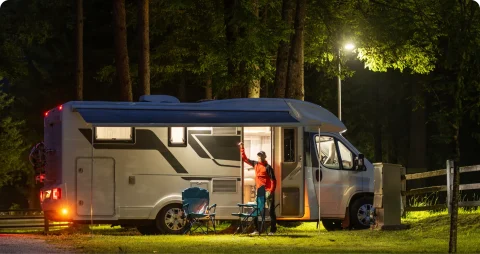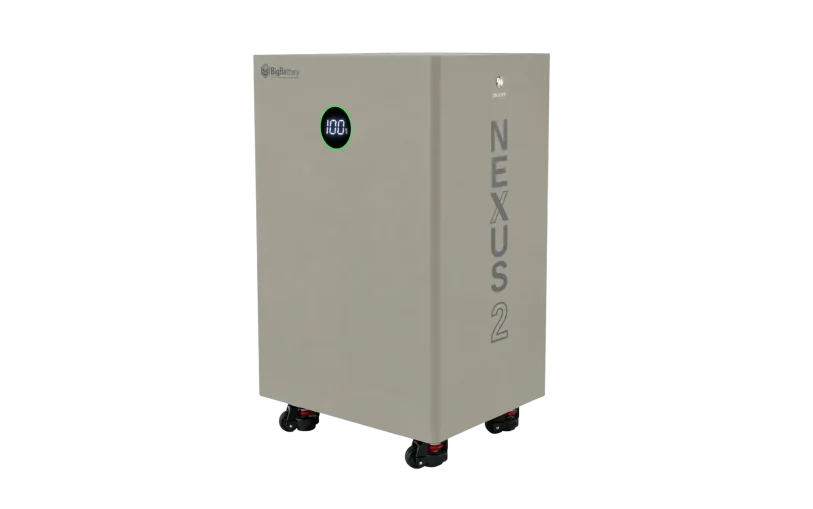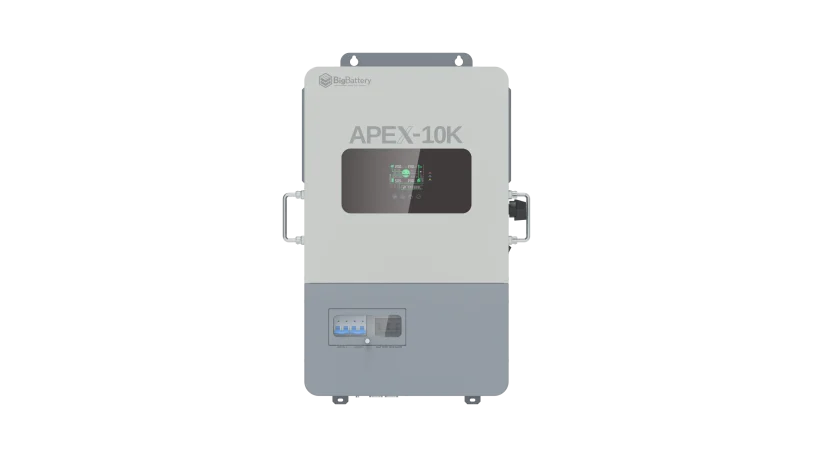




When you have a golf cart, recreational vehicle, forklift, or other equipment, you need a battery to keep it running smoothly. Many older models still use lead-acid batteries, which are understandably becoming sparser in the marketplace. BigBattery is here with three reasons to switch from lead-acid to lithium batteries.
Less Maintenance
One of the most noteworthy aspects of lead-acid batteries is they require much more maintenance and general upkeep than lithium-ion batteries. Aside from cleaning terminals and keeping them free of loose cabling and other hazards, you may also have to keep distilled water on hand to balance the volume in the battery if you have an older flooded model. Lead-acid batteries are also prone to overcharging if left on the charger for too long.
Comparatively, lithium-ion batteries are self-contained and require far less maintenance outside of occasionally cleaning the exterior and checking for corrosion. Plus, if the battery uses a different connection method than ring terminals, such as an Anderson-style connector, even that basic maintenance becomes a thing of the past.
Longer Lifespan
A significant reason to switch from lead-acid to lithium batteries is to take advantage of the increased lifespans that come with lithium-ion options. Lead-acid batteries may last a few years with proper maintenance, but lithium-ion batteries last much longer with less effort required. Many warehouses use 36-volt or 48-volt lithium-ion forklift batteries to keep their machines running for five to seven years without issue or degradation in performance, while affording more efficient charging, and as previously discussed, far less maintenance.
More Power
Lithium batteries produce energy by sending positively charged lithium ions from the anode to the cathode. Ions charged with lithium become denser and can generate large amounts of electricity. The denser ions help the battery produce more power while expending roughly the same amount of energy. Many devices running on lithium-ion batteries last longer and experience a noticeable boost in power output thanks to this more advanced battery construction.
If you’re still unsure if lithium-ion batteries are right for you, BigBattery has many helpful pieces to explain the advantages of a proper battery pack, regardless of the equipment you use. For any additional questions, comments, or concerns, don’t hesitate to contact us anytime to speak to an educated member of our staff who can provide more detailed information.
Share on facebook
Facebook
Share on twitter
Twitter
Share on linkedin
LinkedIn
Share on pinterest
Pinterest
Frequently Asked Questions
How long do LiFePO4 batteries last?
A quality LiFePO4 battery can commonly deliver 4,000 or more charge cycles, often roughly 10 years or longer under the right conditions. Depth of discharge, temperature, charge settings, storage habits, and the BMS all affect the result.
How many years is 4,000 cycles?
One full cycle per day is about 11 years. Three cycles per week is more than 25 years on paper, though calendar aging becomes the limit first.
What happens at the end of a LiFePO4 battery's life?
It does not suddenly stop. It loses capacity gradually. A battery rated for 4,000 cycles may be specified to keep around 80% of its original capacity at that point.
Does temperature affect LiFePO4 battery life?
Yes. High heat speeds aging, and charging below freezing can damage cells unless the battery has low-temperature protection or self-heating.
How long does a lithium battery last in an RV?
Many years, when charging sources are configured correctly and the battery is protected from freezing charge conditions. Annual cycles are often fewer than in a daily solar system, but conditions vary more.
How should I store a lithium battery?
Store it at a partial state of charge in a clean, dry, moderate-temperature location. Disconnect parasitic loads and check it periodically per the manufacturer's guidance.