



Experts expect the lithium-ion market to grow at a phenomenal 13.1 percent CAGR and reach a size of 135.1 billion USD by 2031. Based on those stats, it’s evident to see that low-cost, energy-efficient lithium-ion batteries are taking the world by storm. But what’s the deal behind their surging popularity? Below, Big Battery discusses three reasons why the lithium-ion battery market is growing so quickly and so dramatically.
Use in EVs
With concern over global warming rising around the globe, businesses have to make their products eco-friendlier. This is especially the case for the automotive industry, which has ramped up production of electric vehicles, or EVs, in response to growing consumer demand for green vehicles. Because lithium-ion batteries are energy-efficient and eco-friendly, manufacturers are overwhelmingly choosing them as the main power source for their EVs, driving demand worldwide.
Global Domination
The US and China are the two largest manufacturers of lithium-ion batteries, accounting for over 90 percent of the world’s production. But recently, other countries, such as Canada, India, and Indonesia, have dipped their toes into the lithium-ion market. Businesses are investing millions of dollars into erecting battery manufacturing factories around the globe. Take TitanGreen, for example, which has recently established factories in the Americas. As these funded factories crop up, battery production will substantially increase, and lithium-ion products will gradually become more accessible and less expensive. This will drive demand further and increase lithium-ion battery use globally.
Military Use
As the US military looks to upgrade its fleets with newer technology, it’s increasingly relying on lithium-ion batteries as a source of power for aircraft, vehicles, and other equipment. This military investment has been a huge driver of recent market growth.
Because lithium-ion batteries are lighter than conventional lead acid and nickel-cadmium batteries, they can provide greater energy density for longer periods. By replacing traditional battery types with lithium-ion, the military can reduce the weight of their vehicles and increase range and endurance capabilities.
In short, the lithium-ion battery market is growing because businesses, government agencies, and consumers alike are beginning to see the overwhelming benefits that lithium-ion batteries provide over other power options.
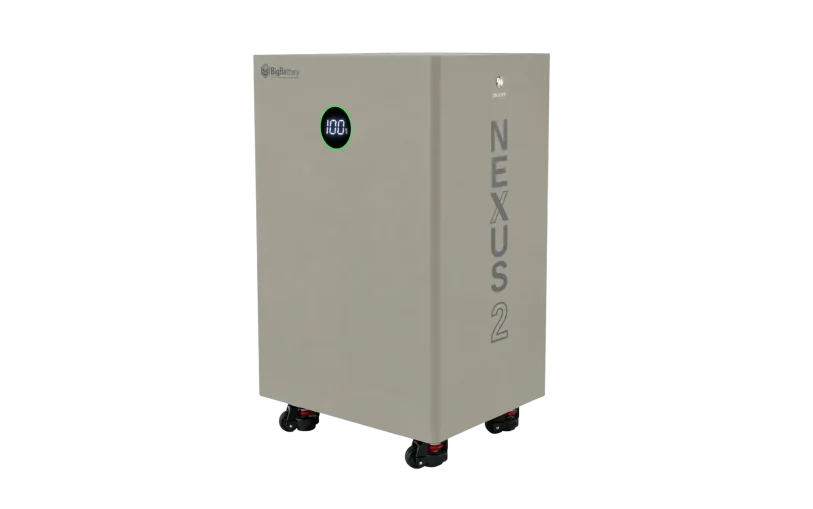
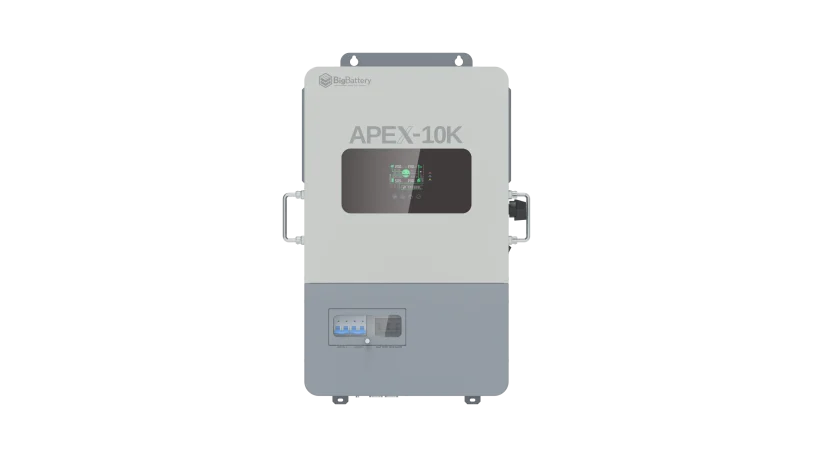
If you want to see what all the fuss over lithium-ion batteries is about, BigBattery has large lithium battery packs that you can outfit your golf carts, RVs, vans, and more with. Once you observe the power and efficiency of a lithium-ion battery firsthand, you’ll understand why this small but mighty piece of tech is so coveted.
Share on facebook
Facebook
Share on twitter
Twitter
Share on linkedin
LinkedIn
Share on pinterest
Pinterest
Frequently Asked Questions
How long do LiFePO4 batteries last?
A quality LiFePO4 battery can commonly deliver 4,000 or more charge cycles, often roughly 10 years or longer under the right conditions. Depth of discharge, temperature, charge settings, storage habits, and the BMS all affect the result.
How many years is 4,000 cycles?
One full cycle per day is about 11 years. Three cycles per week is more than 25 years on paper, though calendar aging becomes the limit first.
What happens at the end of a LiFePO4 battery's life?
It does not suddenly stop. It loses capacity gradually. A battery rated for 4,000 cycles may be specified to keep around 80% of its original capacity at that point.
Does temperature affect LiFePO4 battery life?
Yes. High heat speeds aging, and charging below freezing can damage cells unless the battery has low-temperature protection or self-heating.
How long does a lithium battery last in an RV?
Many years, when charging sources are configured correctly and the battery is protected from freezing charge conditions. Annual cycles are often fewer than in a daily solar system, but conditions vary more.
How should I store a lithium battery?
Store it at a partial state of charge in a clean, dry, moderate-temperature location. Disconnect parasitic loads and check it periodically per the manufacturer's guidance.